Navigating U.S. Immigration Law: Essential Insights
Welcome to the Gorostiaga Law Firm Blog!
At Gorostiaga Law Firm, we believe in empowering our clients and the community through knowledge and resources. Our blog is dedicated to sharing valuable insights on immigration law, personal stories, client success, and updates in the legal landscape.

USCIS Raises the Bar for Green Card Approval: What It Means for Your Case
GOROSTIAGA LAW FIRM, PLLC
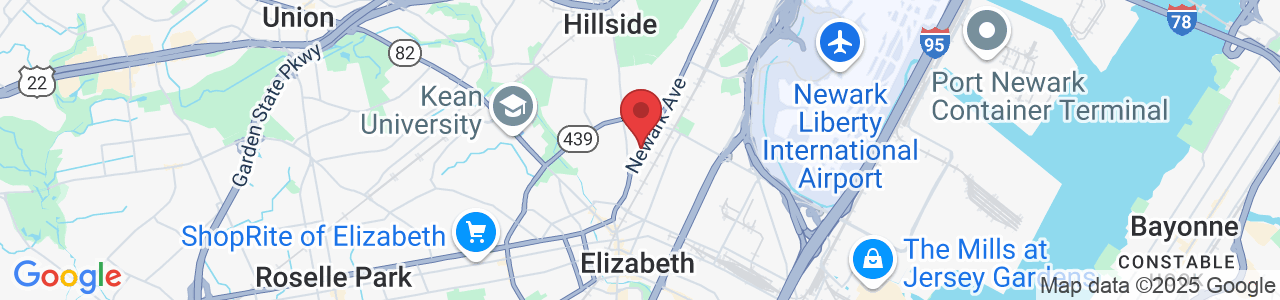
650 Newark Avenue, Suite B | Elizabeth, NJ | Immigration Law
CLIENT ADVISORY | JUNE 2026 | ADJUSTMENT OF STATUS
Your Green Card Is Not Guaranteed: What the New USCIS Policy Really Means for You
By Virginia D. Gorostiaga, Esq.| Gorostiaga Law Firm, PLLC | June 2026
If you are waiting for your green card - or planning to apply for one - you have likely seen unsettling headlines over the past two weeks. Before drawing conclusions, it is worth understanding what actually changed, what did not, and what it means specifically for your situation.Adjustment of status (Form I-485) is still available.But a new government policy, issued May 21, 2026, changes the standard of review in a way that matters for every applicant.
At Gorostiaga Law Firm, PLLC, we represent immigrant families across the United States - and we want to give you an honest, practical picture of what this means for your case.
What Happened - and What Did Not
The Bottom Line
USCIS has NOT eliminated adjustment of status. It has raised the standard officers must apply when deciding each case. Qualifying for I-485 opens the door—but officers must now affirmatively determine that approving your case inside the United States is warranted, not simply that you checked every box.
On May 21, 2026, USCIS issued Policy Memorandum PM-602-0199. The memo instructs immigration officers to treat adjustment of status as an "extraordinary act of administrative grace" - meaning it is a privilege, not an entitlement, even for applicants who technically qualify.
This is not a new legal standard. Courts and the Board of Immigration Appeals have used this language for decades. What is new is that USCIS is formally directing its officers to apply it more deliberately and consistently - and to document their reasoning when they exercise discretion either way.
The practical effect: every I-485 application now requires a stronger evidentiary record, and cases with any complicating history face heightened scrutiny.
What Changes for Your Case
Officers are now required to conduct a formal weighing of factors - everything that supports the application on one side, everything that raises concerns on the other - and put their reasoning in writing. Simply having a clean record is no longer a complete answer; applicants must bring forward affirmative evidence showing why their case belongs here rather than at a U.S. consulate abroad.
NEGATIVE FACTORS OFFICERS WILL SCRUTINIZE
⚠Overstaying a visa or failing to depart when required
⚠Working in the U.S. without employment authorization
⚠Violating the terms of any nonimmigrant status (e.g., tourist visa used to live and work)
⚠Prior removal orders, deportations, or immigration court history
⚠Criminal history—even arrests without conviction
⚠False statements or misrepresentations to any U.S. government agency
⚠Applying for a green card after entering on a visa that required nonimmigrant intent (e.g., B-1/B-2)
⚠Gaps in lawful immigration status
⚠Country-specific concerns about vetting or screening
POSITIVE FACTORS THAT STRENGTHEN YOUR CASE
✓Long history of lawful status and full compliance with immigration requirements
✓U.S. citizen or lawful permanent resident spouse, children, or parents
✓Stable employment and consistent tax payment history
✓Deep community ties - church, school, civic organizations, volunteer work
✓Length of residence in the United States
✓U.S.-born or U.S.-raised children who depend on your presence
✓Hardship your family would suffer if you were required to leave
✓Education, professional skills, or community contributions
✓Demonstrated good moral character over time
Important: The "No Negative Factors" Trap
The memo explicitly states that the absence of adverse factors is not, by itself, enough. Even if your record is clean, you are expected to show positive equities. Applicants with adverse history must show "unusual or even outstanding" equities to overcome them. An application that simply has nothing wrong with it is not the same as one that makes a compelling, documented case for approval.
What If I Have an H-1B or L Visa?
H-1B and L-1 visa holders benefit from "dual intent"—meaning U.S. law explicitly permits them to be in nonimmigrant status while also pursuing permanent residence. The new memo acknowledges this and notes that pursuing a green card is not itself a negative factor for these applicants.
However, H and L visa holders are not exempt from the new policy.Holding H or L status does not guarantee approval.Any other negative factors in your history - status violations, gaps in employment authorization, criminal history, or prior immigration violations - still weigh against you. And even H/L applicants without negative factors are advised to build a more substantial positive evidentiary record than they might have submitted in the past.
Adjustment vs. Consular Processing: A Side-by-Side Comparison
Some applicants now face a genuine choice about which path to take. This comparison is intended to help you understand the tradeoffs - not to recommend one path over another, since the right answer depends entirely on the facts of your case.
Factor
Adjustment of Status (I-485)
Consular Processing (IV)
Stay in the U.S. while pending?
✔Yes
✗No — must travel abroad
Work authorization while pending?
✔Yes (EAD)
✗No
Advance parole / travel?
✔Yes
✗Must get nonimmigrant visa
Attorney at interview?
✔Yes
✗Not permitted
Appeal if denied?
✔Formal appeal available
✗Very limited recourse
Status violations bar filing?
✔Immediate relatives often exempt
✗Generally not a bar
Requires leaving the U.S.?
✔No
✗Yes — home country interview
Job portability (employment-based)?
✔Available via INA § 204(j)
✗Not available
One Critical Limitation of Consular Processing
As of the date of this article, 75 countries are under State Department immigrant visa restrictions. If your country of birth is on that list, consular processing may not be available to you at all - making adjustment of status your only viable path to permanent residence. This is a critical factor that must be reviewed with an attorney before any decision is made.
Your Questions Answered
My I-485 is already pending. Do I need to do anything?
Possibly, yes. You and your attorney should review your file and determine whether submitting additional evidence of positive equities makes sense in your situation. Even if your case has already had an interview, USCIS has indicated it may schedule second interviews to conduct a full discretionary review. Do not wait for USCIS to ask—proactively building your record now is the smarter approach.
I have an interview scheduled. Should I still go?
Yes. Attend every scheduled interview. Before you go, contact your attorney to review what additional documentation to bring and how to prepare for questions about your immigration history and ties to the United States.
I was planning to file soon. Should I wait?
Not necessarily - but do not file without a strategy review. The timing of your filing, the completeness of your evidentiary package, and the specific facts of your history all matter more now than they did six months ago. An attorney consultation before filing is essential.
What if I have a complicated history - overstay, prior removal, unauthorized work?
Your case is not automatically lost.But it is more complex, and the stakes are higher.Applicants with adverse history must present a compelling, well-documented case for why their positive equities outweigh those factors. This is exactly the kind of legal advocacy our firm specializes in - and it requires experienced counsel, not a form-preparation service.
Will lawsuits stop this policy?
Possibly. Legal challenges to the memorandum have already been discussed in the immigration law community, and court injunctions could pause or limit the policy’s effect. That said, case decisions should never be built around the outcome of future lawsuits. The prudent path is to file strategically based on current law, maintain full compliance, and stay informed with your attorney as developments unfold.
Who This Policy Really Targets - and What It Actually Means
It is worth being direct about who this memorandum actually affects. We are not talking about people gaming the system. We are talking about immediate relatives of U.S. citizens - spouses, partners, and children. We are talking about individuals with approved employment-based petitions who are coming to work for U.S. employers. We are talking about Diversity Visa winners, special immigrants such as religious workers, individuals who have been paroled into the United States, and those who have been granted Temporary Protected Status.
What this memo is effectively attempting to do is redirect hundreds of thousands of cases per year to U.S. consulates overseas that are already overburdened, understaffed, and operating under historic backlogs. For many of the people it affects, consular processing is not simply inconvenient - it is not realistic, and in some cases it is not safe.
For others, being forced to leave the United States means months or years of separation from U.S. citizen spouses, children, employers, and communities they have built. In a world where the current administration has imposed visa bans on 75 countries, where consular capacity is severely limited, and where processing backlogs stretch for years, requiring people to pursue their cases outside the United States can quickly become a one-way ticket - with no realistic path back.
These are people who followed the rules. They paid their filing fees. They voluntarily appeared for biometrics appointments and had their fingerprints taken. They showed up - willingly - for their interviews. And now they are being told that eligibility is no longer enough. That they must prove extraordinary circumstances just to remain in the country while their cases are decided.
That is not a system designed for justice. It is a system designed for attrition.
A Note to Our Clients Across the United States
Our firm has served immigrant families across the United States for years. We understand that the stakes of an I-485 denial are not abstract - they mean separation from spouses, parents kept from children, and lives built here put at risk.
This new policy requires more from applicants. It also requires more from attorneys. At Gorostiaga Law Firm, PLLC, we are committed to doing that work with you - reviewing your history carefully, building the strongest possible record, and advising you honestly about risk.
If you have received an RFE, a Notice of Intent to Deny, or a denial on an I-485, please contact us immediately.Deadlines in immigration cases are hard stops—missing them can end a case permanently.
EDITOR’S UPDATE|JUNE 4, 2026
Bottom Line: The Policy Remains in Effect. Its Real-World Impact Is Still Unclear.
In the days since USCIS issued PM-602-0199, developments have come quickly - but they have raised as many questions as they have answered. Here is where things stand as of the date of this update.
1.The Agency Says Qualified Applicants Can Still Get Green Cards
Following a wave of concern from applicants, attorneys, and Congressional offices, USCIS moved quickly to clarify its position. The agency stated publicly that the memorandum is not a blanket policy change and that it does not eliminate adjustment of status as a pathway to permanent residence. A USCIS spokesperson indicated the policy would not stop anyone who legitimately and properly qualifies from obtaining a green card. Adjustment of status remains open and available.
2.USCIS Says This Is Not a New Standard - But the Memo Tells a Different Story
The agency has characterized the memorandum as a reaffirmation of existing discretionary authority - not a departure from it. USCIS’s position is that officers have always been required to weigh the totality of circumstances, and that this memo simply makes that obligation explicit. Immigration attorneys and national advocacy organizations, however, have noted that the memo represents a significant shift in how that discretion is framed and directed - specifically, the instruction that applicants must affirmatively demonstrate why adjustment inside the United States is warranted, rather than consular processing abroad. That framing has no meaningful precedent in decades of agency practice. Whether the agency’s reassurances translate into consistent adjudications on the ground is something only time - and real cases - will reveal.
3.No Formal Guidance Has Been Issued — Officers Are Already Acting on the Memo
Despite the significance of this memorandum and the agency’s subsequent public statements, USCIS has not issued any formal implementing guidance explaining how the new framework is to be applied in practice. There is no written clarification of what evidence satisfies the positive equity showing, how minor status violations will be weighed against strong family ties, or what “unusual or outstanding equities” looks like for an immediate relative of a U.S. citizen. Meanwhile, attorneys across the country are already reporting that officers are asking new questions at interviews - including why an applicant chose adjustment of status rather than consular processing, and what factors would prevent them from leaving the United States to pursue their case abroad. The policy is being implemented. The rules for how it is being applied have not been written.
4.Attorneys Nationwide Are Monitoring - And Preparing for Litigation
Immigration attorneys and national legal organizations are actively tracking how this policy is being applied in interviews, Requests for Evidence, and adjudication decisions. The legal community is collecting examples from practitioners on the ground to identify patterns, inform advocacy efforts, and build the evidentiary record that may be needed for future litigation. Legal challenges to the memorandum remain a real possibility. Some attorneys have already identified weaknesses in the legal foundation of the memo itself - including questions about whether the agency’s interpretation of the law is consistent with Congress’s repeated expansion of adjustment of status since 1952. At Gorostiaga Law Firm, PLLC, we are monitoring every development and will continue to update our clients as the situation evolves. The bottom line has not changed: the policy is in effect, its real-world impact is still coming into focus, and the strongest applications will be the ones that are prepared for the new landscape - not the old one.
WHAT THIS MEANS IN PRACTICE|A DEEPER LOOK
Who the Memo Applies To - and Who It Does Not
The memorandum applies to adjustment of status applications filed under INA Section 245 where consular processing is also a theoretical option. That covers the most common categories: family-based cases, employment-based cases, diversity visa winners, and most special immigrant categories. It does not apply to certain categories that adjust under entirely separate provisions of the law, or that are considered non-discretionary by statute. Among those excluded are refugee adjustments, Nicaraguan and Central American Relief Act (NACARA) cases, the Haitian Refugee Immigration Fairness Act (HRIFA), and Liberian Refugee Immigration Fairness (LRIF) cases. Cases filed under VAWA, U visa, and T visa provisions also appear to fall outside the scope of this memorandum. If you are unsure which category applies to your situation, that is a conversation to have with your attorney before drawing any conclusions about how this policy affects you.
What Officers Are Actually Asking at Interviews Right Now
Attorneys across the country have already begun reporting new lines of questioning at adjustment of status interviews. Officers are asking applicants why they chose to file in the United States rather than pursue an immigrant visa at a U.S. consulate abroad. They are asking what factors - if any - would prevent the applicant from leaving the country to complete their case at a consulate. They are asking about ties to the home country, about the circumstances of the applicant’s admission or entry, and about conduct during their time in the United States.
If you have a pending interview, these are not questions to answer casually or without preparation. The answers you give - and how you give them - will become part of the record that an officer uses to make a discretionary decision about your case. Contact our office before your interview so we can make sure you are ready.
If Your Application Is Denied - What Comes Next
A denial of an I-485 application based on an unfavorable exercise of discretion cannot be appealed directly. That means if your case is denied, your options narrow quickly. Depending on your situation, you may be able to renew your case before an immigration judge if your case is referred to removal proceedings - though individuals who entered on parole face additional complications as arriving aliens. You may also be able to file a Motion to Reopen or Motion to Reconsider. In limited circumstances, a legal challenge under the Administrative Procedures Act may be available.
There is another complication that many applicants do not think about until it is too late: unlawful presence. While an I-485 application is pending, unlawful presence does not accrue. But if the application is denied and the applicant does not have an underlying lawful status, the clock starts. Depending on how much unlawful presence has accrued, a three-year or ten-year bar from returning to the United States can be triggered simply by departing the country - which is exactly what a consular processing path would require. For some people, a denial does not just mean starting over. It can mean being barred from the United States for years. This is why understanding your full situation before anything goes wrong is so important.
A Note on the Legal Foundation of This Memo
The legal community has raised serious questions about whether this memorandum accurately reflects the law it cites. The memo leans heavily on the argument that Congress has always intended adjustment of status to be a narrow exception to the consular visa process. But the historical record tells a more complicated story. Since Congress first created adjustment of status in 1952, it has repeatedly expanded the process - adding new categories, broadening eligibility, and making adjustment available in more situations over time, not fewer. A policy that treats adjustment as an exceptional last resort sits in uncomfortable tension with that legislative history.
Beyond that, the memo itself explicitly states that it may not be relied upon in removal proceedings or litigation. That means if an applicant is placed in immigration court, this memo cannot be used as a weapon against them by the government in those proceedings. That is an important protection to know about. For clients currently in removal proceedings, their attorneys should be prepared to push back firmly against any attempt to apply this memo’s framework in court.
What a Strong Application Looks Like Under the New Standard
The days of submitting a bare-bones I-485 package and letting eligibility speak for itself are over - at least for now. Under the current environment, every application should be accompanied by a documented case for why this person deserves to have their green card decided here, in the United States. That means assembling a record that tells a complete human story: how long this person has been here, who they are responsible for, what they have contributed, and what would be lost - for them and for the people around them - if they were required to leave.
Concretely, that means gathering and submitting:
•Evidence of deep family ties in the United States - marriage certificates, birth certificates for U.S. citizen children, school records, medical records showing dependence on the applicant's care
•Proof of long-term lawful residence and community integration - employment records, tax returns, pay stubs, lease agreements, church membership, volunteer involvement, letters from community members
•Evidence of good moral character - no criminal history, consistent compliance with immigration requirements, charitable or civic contributions
•Documentation of benefit to the United States - employer sponsorship letters, evidence of specialized skills, professional licenses, economic contributions
•Where adverse factors exist - a clear, honest, and well-supported explanation of why the positive equities in the case are unusual or outstanding enough to outweigh them
This is not a checklist exercise. It is advocacy - building the strongest possible case for a real person in a real situation. That is what we do at Gorostiaga Law Firm, PLLC, and it is work we take seriously on behalf of every client we represent.
Schedule a Consultation
Whether your I-485 is pending, you have an interview coming up, or you are deciding whether to file - we can help you navigate this new landscape with clarity and confidence.
Virginia D. Gorostiaga, Esq.|Immigration Attorney
Gorostiaga Law Firm, PLLC| 650 Newark Avenue, Suite B|Elizabeth, NJ
LEGAL DISCLAIMER:This article is provided for general informational purposes only and does not constitute legal advice or create an attorney-client relationship. Immigration law is complex and highly fact-specific. The information in this article reflects the law and USCIS policy as of June 2026, which is subject to change. Please consult a licensed immigration attorney about the specific facts and circumstances of your case before taking any action

Ready to Begin Your Immigration Journey?
Let Us Guide You to Success.
Comprehensive Case
Management:
From start to finish, we handle all paperwork, deadlines, communication with U.S. immigration authorities.
Transparent
and
Clear Guidance:
Immigration processes are complex, but we make it simple by guiding you every step of the way.
Expert Guidance for Immigration Success:
At Gorostiaga Law Firm, we go beyond paperwork, taking time to understand your story, needs, and goals.
Why Choose Us?
At Gorostiaga Law Firm, we’re more than just attorneys—we’re dedicated advocates in the complex world of U.S. immigration. With extensive experience, a strong track record, and a personal approach, we deliver solutions tailored to your needs, from family sponsorships to employment visas and asylum cases.
Our multilingual team ensures clear communication and support in English, Spanish, Portuguese, Hindi, and Gujarati.
Proven Expertise in U.S. Immigration:
Our firm brings extensive experience in immigration law and is up-to-date with the latest regulations.
Why Choose Us?
At Gorostiaga Law Firm, we’re more than just attorneys—we’re dedicated advocates in the complex world of U.S. immigration. With extensive experience, a strong track record, and a personal approach, we deliver solutions tailored to your needs, from family sponsorships to employment visas and asylum cases.
Proven Expertise in U.S. Immigration:
Our firm brings extensive experience in immigration law and is up-to-date with the latest regulations.
Comprehensive Case Management:
From start to finish, we handle all paperwork, deadlines, communication with U.S. immigration authorities.
Transparent
and
Clear Guidance:
Immigration processes are complex, but we make it simple by guiding you every step of the way.
Expert Guidance for Immigration Success:
At Gorostiaga Law Firm, we go beyond paperwork, taking time to understand your story, needs, and goals.
PRACTICE AREAS
Comprehensive Immigration Support
At Gorostiaga Law, we pride ourselves on delivering the best legal defense services to
our clients. Contact us today to see how we can assist you with your legal needs.

Family Immigration
At Gorostiaga Law, we specialize in bringing families together through comprehensive immigration services. From visas to green cards, we provide compassionate guidance to ensure a smooth journey for you and your loved ones.

Business Immigration
Our firm supports businesses in navigating the complexities of immigration law. We help secure work visas and employment-based green cards, facilitating the growth and success of your enterprise in the U.S.
The Immigration Process Explained
Immigration Law in the U.S.
Navigating the Complexities of U.S. Immigration
Immigration law in the United States governs the process by which individuals can enter, stay, and become citizens. It encompasses a variety of pathways, including family-sponsored immigration, employment-based visas, asylum claims, and naturalization processes. The legal landscape is complex and constantly evolving, requiring expertise to navigate effectively.
At Gorostiaga Law, we provide tailored legal guidance to help individuals and families understand their rights and options, ensuring compliance with all applicable regulations and facilitating a smoother immigration journey.
For more detailed insights, please contact us or explore our services.

ABOUT US
We Fight for justice We are always ready.
Founded on principles of dedication, integrity, and compassion, Gorostiaga Law is committed to providing top-tier immigration and civil law services across New York, New Jersey, and Pennsylvania.
Led by Attorney Virginia Gorostiaga, our firm offers personalized legal guidance with a client-first approach. With extensive experience and a multilingual team, we strive to make complex legal matters approachable and manageable, empowering clients to navigate their legal journeys with confidence.
Contact us to learn more about how we can assist you in your pursuit of justice. We are here to offer support, expert advice, and a robust defense every step of the way.

Expert Advice
Receive expert legal advice tailored to your needs, ensuring informed decisions and effective solutions for your legal challenges.

Legal Defense
We provide strong and strategic legal
defense to protect your rights and achieve the best possible outcome for your case.

99% case win
With a 99% case win rate, we are dedicated to providing effective legal
defense to achieve the best possible outcomes for our clients.

Solutions Built Around Your Needs
From complex cases to personal guidance, Gorostiaga Law Firm is your trusted partner in creating a secure future.
Testimonials
"My husband and I had a great experience with Virginia and her team. Members of the team are fluent in spanish- As a spanish speaking person I really appreciate how easy that made it to understand and follow the process even better. Anytime we had a question or concern they were very easy to reach and always made us feel very comfortable. 100% would recommend to work with them, you won’t regret it!"
- Maria Jose Meneses Meza

"I would recommend all my friends and family to Gorostiaga Law. Virginia is effortless at what she does and genuine lawyer who does things the right way from day one. Thank you for all your time you put on my case Virginia. Take care and hopefully I come back to seek for your legal advise soon."
- Rahin Ahmed
"Ms Gorostiaga is a conscientious dedicated judicious attorney. Ms Virginia Gorostiaga treats each of her clients with a level of respect and compassion that makes you feel valued and understood and lets you know that you will be treated with the utmost professionalism and dedication. I hope one day that Ms Gorostiaga will be more than my attorney, she will be a trusted faithful lifelong friend! I am trusting her with my life and my legacy"
- Edel Quinn
Our Dedicated Immigration Services in New Jersey
At Gorostiaga Law, we are dedicated to guiding you through the complexities of immigration law with compassion and expertise.
Our services include:
Reuniting families is at the heart of what we do. We assist with family petitions, fiancé visas, and other processes to bring your loved ones closer, providing compassionate guidance every step of the way.
Our firm supports businesses and professionals navigating the complexities of immigration law. We help secure work visas and employment-based green cards, facilitating growth and long-term success.
Facing removal proceedings can be daunting, but our experienced team is here to protect your rights and build a strong defense to help you remain in the U.S.
Citizenship and Naturalization
From permanent residency to citizenship, we simplify the naturalization process and ensure you meet all requirements for becoming a U.S. citizen.
Deferred Action for Childhood Arrivals (DACA)
We assist eligible individuals brought to the U.S. as children with applying for or renewing their DACA status, helping secure their futures and remain lawfully in the country.
For those seeking safety from persecution, we provide comprehensive support to apply for asylum or refugee status in the United States, offering experienced, client-focused representation.
Frequently Asked Questions
What services does Gorostiaga Law provide?
Gorostiaga Law specializes in immigration law, offering services such as family immigration, business immigration, naturalization. Our dedicated team provides personalized support to navigate the complexities of the immigration process. We strive to ensure our clients achieve their legal goals efficiently and effectively.
How can I schedule a consultation?
You can schedule a consultation by visiting our website and filling out the contact form. Alternatively, you can call our office directly to speak with a member of our team. We are here to assist you in setting up a convenient appointment.
What should I bring to my consultation?
During your consultation, please bring relevant documents such as your passport, visa, and any immigration paperwork you have. This information will help us better understand your case and provide tailored advice. If applicable, bring any additional documentation related to your family or business immigration needs.
How long does the immigration process take?
The duration of the immigration process varies based on the specific type of application and the current workload of immigration authorities. Our team will provide you with an estimated timeline during your consultation, considering your unique circumstances. We aim to keep you informed and updated throughout the entire process.
Do you offer services in multiple languages?
Yes, our team at Gorostiaga Law is multilingual and can assist clients in English, Spanish, Portuguese, Hindi, and Gujarati. We believe that clear communication is crucial for a successful legal experience. Our goal is to ensure that all clients feel comfortable and fully understand the legal process.
How do I know if I have a civil case worth pursuing?
If you’ve experienced financial loss, property damage, a contract breach, or reputational harm, it may be worth pursuing legal action. We offer consultations to help you evaluate the merits of your case and your best path forward.