Navigating U.S. Immigration Law: Essential Insights
Welcome to the Gorostiaga Law Firm Blog!
At Gorostiaga Law Firm, we believe in empowering our clients and the community through knowledge and resources. Our blog is dedicated to sharing valuable insights on immigration law, personal stories, client success, and updates in the legal landscape.
Essential Deportation Defense Tips for Removal Proceedings
Essential NJ Deportation Defense Insights
For any deportation defense lawyer practicing in New Jersey, understanding what this document says and how authorities use it is essential. This guide explains the typical contents of Document 1210, how immigration agencies and judges may rely on it, and which defenses—such as cancellation of removal, adjustment of status in removal proceedings, and appeals—can be affected. You’ll find practical steps to preserve client rights, build an evidentiary response, and the tactical role defense counsel should take when Document 1210 appears in a file. The article outlines the document’s structure, recommended attorney workflows, appeal paths, and answers to common client questions, with clear, actionable guidance and points where experienced counsel can change the case outcome.
What Is New Document 1210 and How Does It Relate to Deportation Defense?
Think of New Document 1210 as an administrative record or guidance entry the government may rely on to establish facts about nationality, inadmissibility, or a case’s procedural history. It functions as documentary evidence that can shape removability determinations: ICE or USCIS may introduce its assertions or interpretations to support a finding. Early review is critical because it reveals potential hearsay problems, authentication gaps, or procedural errors that could be reversible. Identifying the document’s author, date, and jurisdictional scope lets counsel lodge precise objections, preserve issues for appeal, and plan targeted rebuttal evidence.
What Legal Information Does Document 1210 Contain?
Document 1210 often gathers administrative findings, statutory citations, and factual summaries—items like nationality details, prior orders, or adverse determinations that bear on removability and eligibility for relief. Because it frequently quotes statutes and regulations, the document can be used to argue that specific grounds of inadmissibility or deportability apply; conversely, if authenticated, it can sometimes corroborate a respondent’s claim. Counsel should scrutinize the author, the publication date, the document’s jurisdictional reach, and whether it’s primary-source material or a secondary summary—those attributes drive admissibility and weight. The table below pairs common Document 1210 elements with their practical legal implications.
This table describes the typical entries in Document 1210 and their practical implications.
Document 1210 Element
Characteristic
Legal Implication
Publisher/Author
Administrative unit or ICE/USCIS branch
Shapes reliability analysis and authentication needs
Date / DatePublished
Date stamped on entry
Relevant to continuous-presence and timeliness disputes
Subject matter
Nationality, prior orders, statutory citations
May support removability or corroborate relief elements
Reviewing these attributes helps classify Document 1210 as evidentiary, procedural, or advisory—each classification suggests different responses, such as objection, motion to strike, or use in cross-examination. The section that follows explains how Document 1210 typically influences removal hearings in New Jersey.
How Does Document 1210 Impact Removal Proceedings in New Jersey?
In New Jersey immigration court, Document 1210 can surface at initial hearings, in evidence packets, or as an exhibit to government motions. It often affects how judges evaluate identity, credibility, and continuous presence. Judges will look at whether the government properly disclosed the document, whether the respondent had a fair chance to respond, and whether the entry shows enough indicia of reliability. When the document hurts a respondent’s case, common tactical responses include requesting a continuance to gather rebuttal proof, filing motions to exclude or limit its use, and submitting corroborating affidavits to address contested points. Knowing these procedural levers lets counsel treat a damaging administrative entry as a manageable evidentiary issue and preserve appellate options.
How Can a Removal Proceedings Attorney in New Jersey Use Document 1210 in Deportation Defense?
A removal attorney can use Document 1210 both offensively and defensively: offensively, to corroborate lawful presence or verify previous discretionary grants; defensively, to expose authentication gaps or procedural defects that limit the document’s weight. Tactical work includes establishing chain-of-custody and foundation, filing targeted motions (for example, to exclude or request production), and mounting rebuttal through affidavits, expert declarations, or foreign records. Early intervention preserves appealable issues and shapes the administrative record so the Board of Immigration Appeals or a federal court can review contested reliance. We recommend a checklist-driven workflow to analyze Document 1210, corroborate or challenge its claims, and sync discovery with relief deadlines.
What Are the Key Defenses Supported by Document 1210?
Document 1210 can intersect with several defenses, including cancellation of removal (INA 240A), adjustment of status in removal proceedings, asylum and withholding claims, and waiver strategies for inadmissibility. In some cases the document supplies corroboration—such as confirming family ties or past persecution; in others it raises adverse facts that require rebuttal with affidavits, employment records, or country-condition evidence. Attorneys should collect core evidence categories—identity documents, continuous-presence proofs, declarations from qualifying relatives, and independent corroboration—and assess whether Document 1210 helps or hinders each defense. A focused checklist helps prioritize actions under tight timelines.
The defenses most commonly implicated include: Cancellation of removal (showing continuous presence and qualifying-relative hardship). Adjustment of status in removal proceedings (proving eligibility and absence of disqualifying grounds). Asylum and withholding (establishing past persecution or a well-founded fear).
How Document 1210 interacts with these defenses determines whether counsel should pursue evidentiary exclusion, add corroborative proof, or move quickly on expedited motions practice.
EAV Table: Defenses | Eligibility Criteria | Key Evidence/Docs
Below is a concise mapping of common defenses to eligibility criteria and the evidence counsel typically collects, showing where Document 1210 may be relevant.
Defense Type
Eligibility Criteria
Key Evidence / Documents
Cancellation of Removal
Continuous presence, good moral character, hardship to qualifying relatives
Employment records, tax returns, family affidavits
Adjustment of Status
Valid underlying petition, admissibility, priority date
I-864, birth certificates, waiver applications when needed
Asylum / Withholding
Persecution or well-founded fear tied to a protected ground
Country condition reports, witness statements, medical records
This mapping emphasizes that Document 1210 often functions either as corroboration or as a challenge—and assembling parallel evidence is critical to neutralize adverse entries. The next subsection explains how the document can affect cancellation eligibility.
How Does Document 1210 Affect Eligibility for Cancellation of Removal?
Cancellation under INA 240A requires continuous presence, good moral character, and exceptional and extremely unusual hardship to qualifying relatives. Document 1210 can influence those elements by recording dates, identity details, or prior legal findings. When it contains date-stamped entries or prior orders, counsel must verify whether those records interrupt continuous presence or instead confirm it—because a single adverse date can change eligibility. Practically, attorneys build a continuous-presence timeline from employment, tax, school, and medical records to rebut or support the document’s entries. Preserving challengeable issues—foundation, hearsay, or improper reliance on advisory materials—helps protect cancellation eligibility that might otherwise be lost without aggressive advocacy.
Cancellation of Removal for Inadmissible Non-Citizens: A Legal OverviewCancellation of removal is a defensive application available to non-citizens in removal proceedings. Often referred to in practice materials as "42B cancellation of removal," it appears in guides and forms addressing relief under INA § 240A(b)(1). When an immigration judge grants 42B cancellation of removal, a respondent may be eligible to adjust status to lawful permanent residence, subject to statutory requirements and any applicable waivers. Cancellation of Removal for Inadmissible Non-Citizens, 2024
What Are Your Rights and Legal Options When Facing Deportation with Document 1210 Involved?
Respondents have core protections in removal proceedings whether or not Document 1210 is present: the right to counsel (at their own expense), the right to inspect government evidence and receive disclosure, and the ability to file motions and appeals. Those protections matter here because proper disclosure and an opportunity to respond are prerequisites to admitting administrative materials into evidence. If disclosure rules were breached, counsel can move to exclude or strike the entry. Asserting these rights promptly can delay removal through continuances, secure bond hearings, and ensure documentary claims are tested in open court. The next section translates those rights into concrete emergency measures that can pause removal and buy time for defense preparation.
How Can You Stop Deportation in NJ Using Document 1210?
Stopping an imminent removal usually starts with prompt, tactical filings: motions for continuance, motions to suppress or exclude improperly introduced documents, requests for emergency stays of removal, and bond applications if release is possible. When Document 1210 threatens immediate removal, counsel should demand expedited disclosure, prepare sworn rebuttal affidavits, and, where appropriate, file motions that challenge foundation or present new evidence warranting relief or remand. Fast collection of corroborative proof—pay stubs, school records, and affidavits from community members—can change a judge’s assessment and create grounds for relief. Acting quickly increases the chance of pausing removal and preserving appellate arguments.
Immediate steps to pursue when facing imminent removal: Request disclosure and a continuance to review Document 1210 and assemble rebuttal evidence. File motions to exclude or limit the document if foundation or hearsay issues exist. Pursue bond or an emergency stay to prevent physical removal while legal issues are litigated.
What Role Does an Immigration Court Defense Lawyer Play in Cases Involving Document 1210?
An immigration defense lawyer is investigator, evidentiary strategist, motion practitioner, and appellate planner when Document 1210 appears. The attorney evaluates provenance, assesses the document’s effect on relief eligibility, and builds both immediate and long-range litigation plans. Tasks include authenticating or challenging the entry, gathering corroboration, preparing witnesses and declarations, and preserving objections on the record so the BIA or a federal court has a clear administrative record. Local knowledge of New Jersey immigration-court practices and access to interpreters and evidence-gathering resources strengthens the attorney’s ability to counter adverse entries. Given the stakes, retaining counsel who coordinates evidence, filings, and appeal readiness is central to a robust defense.
How Does Document 1210 Influence Appeals and Immigration Court Procedures?
At the appellate stage, Document 1210 can support a reversible-error claim—if it was improperly admitted or relied upon—or serve as newly discovered evidence supporting a remand. Appeals follow defined routes and standards of review, and the document’s role depends on whether objections were preserved and whether it is part of the record. On appeal, counsel typically shows legal error in admission, lack of foundation for the document’s assertions, or that the judge’s reliance resulted in an abuse of discretion or a mistaken legal conclusion. Mapping appellate timelines carefully and preserving objections on the record are essential to keep reviewable issues before the Board of Immigration Appeals or a federal court.
What Is the Process for Appealing a Deportation Order Related to Document 1210?
An appeal normally starts with a notice of appeal to the Board of Immigration Appeals, followed by a written brief that focuses on preserved issues such as the improper admission of Document 1210. The BIA’s decision can then be reviewed by a federal court on legal grounds. Key tasks for counsel include filing the notice on time, securing the certified administrative record and transcripts, and explaining how Document 1210 affected legal conclusions about relief eligibility. Preserve objections during the hearing, obtain a certified transcript, and document any failure to disclose or authenticate the entry—those steps improve the likelihood the BIA or a reviewing court will favor exclusion or remand.
Appeal preservation checklist: Object on the record to admission or reliance on Document 1210 during the hearing. Request and secure a certified administrative record and hearing transcripts promptly. File a timely notice of appeal and prepare a brief focused on preserved legal errors.
Following that checklist converts trial-level evidentiary disputes into clear appellate issues that a reviewing tribunal can evaluate under established standards.
How Do Immigration Judges Consider Document 1210 During Hearings?
Immigration judges evaluate documents like Document 1210 on probative value, authenticity, corroboration, and relevance to statutory elements such as identity or inadmissibility. Judges look for adequate foundation from the government and whether the respondent had a fair chance to rebut. They often seek independent support—affidavits, records, or testimony—that confirms or undermines a document’s assertions. Effective counsel anticipates likely objections, readies foundational testimony or stipulations when admissibility is warranted, and supplies corroborating exhibits to strengthen or blunt the document’s impact. When reliability is in doubt, judges will consider narrowing its scope or excluding it if timely, well-supported objections are made.
EAV Table: Appeal Stage | Standard/Timeline | Document 1210 Role
Appeal Stage
Standard / Timeline
Document 1210 Role
Notice of Appeal
30 days to file after order
Preserve grounds to object on the record
BIA Briefing
Varies; center on legal errors
Argue improper admission or erroneous reliance
Federal Review
Court reviews legal questions
Seek reversal or remand based on reversible error or new evidence
Knowing these stages helps counsel assemble the right record and arguments so Document 1210’s impact is addressed at each procedural milestone. The next section explains how our firm helps clients who need urgent assistance.
Why Choose Gorostiaga Law Firm for Deportation Defense Involving Document 1210?
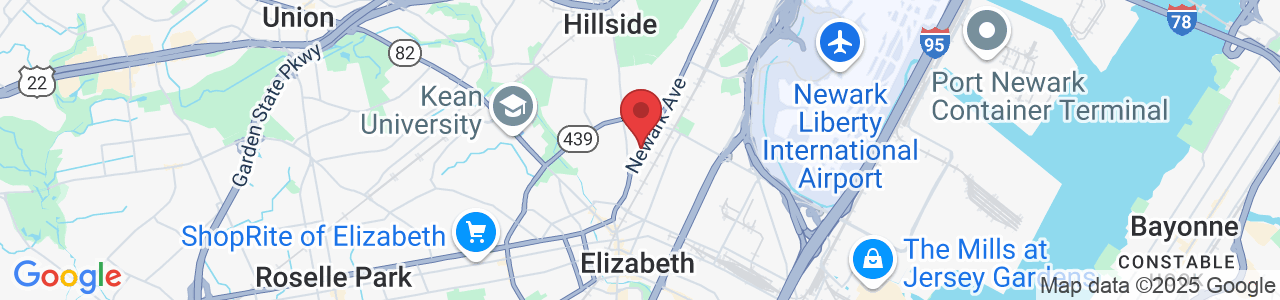
Gorostiaga Law Firm, PLLC is based in Elizabeth, NJ, and led by Virginia D. Gorostiaga. We focus on family-based immigration, asylum, deportation defense, and business and investor visas. Our regional experience across New York, New Jersey, and Pennsylvania gives us practical insight into local immigration-court patterns and docket practices that matter when Document 1210 appears. The firm’s publicly referenced 99% case win rate reflects an emphasis on thorough case development, preservation of appellate issues, and rapid response in crisis situations where documentary entries trigger urgent relief needs. For respondents facing Document 1210–related complications, our local court familiarity, multilingual team, and focused deportation-defense expertise allow for coordinated, practical defenses.
How Does Gorostiaga Law Firm's 99 Percent Win Rate Benefit Clients with Document 1210 Cases?
Our reported 99% case win rate indicates experience navigating evidentiary and procedural hurdles like those raised by Document 1210. Practically, that means clients receive early-document analysis, prioritized evidence collection, and appeal-preserving objections that reduce the risk of adverse reliance on administrative entries. Our case-handling emphasizes fast intake, targeted affidavits, and readiness to escalate matters to the BIA when admissibility or procedural error could alter an outcome. For clients, that approach translates into clear steps and an organized plan when Document 1210 threatens removability or relief eligibility.
What Multilingual Support Does the Firm Offer for Diverse NJ Clients?
Gorostiaga Law Firm offers multilingual services in English, Spanish, Portuguese, Hindi, and Gujarati to reduce communication barriers and improve accuracy during intake, evidence collection, and courtroom advocacy. Working in a client’s primary language helps ensure declarations, witness statements, and translations are reliable and culturally contextualized—strengthening corroborative evidence when opposing documents like Document 1210 appear. Clear communication also helps clients understand procedural rights, the importance of disclosure, and the precise steps needed to preserve appealable issues.
For businesses and individuals seeking help with employment-based visas or investor matters, our business immigration services provide comprehensive support through complex regulations to pursue favorable outcomes.
What Are the Most Common Questions About Document 1210 and Deportation Defense?
The short answers below address priority questions respondents and attorneys typically have when Document 1210 appears. These concise points highlight rights, defenses, and next steps so you can act quickly to preserve relief options and prepare evidence. After reviewing these answers, consult an experienced deportation-defense lawyer to apply the guidance to your case.
What Are the Common Defenses to Deportation When Document 1210 Is Cited?
Common defenses include cancellation of removal, adjustment of status in removal proceedings, asylum and withholding, and waivers for inadmissibility. Document 1210 may either corroborate elements of these defenses or introduce adverse facts that require counter-evidence. Counsel will assess whether the entry affects eligibility elements—like continuous presence or inadmissibility grounds—and then prioritize evidence such as family affidavits, employment records, and country-condition documentation. Immediate client actions include locating identity and continuous-presence documents, collecting signed affidavits from family or community leaders, and informing counsel about any prior orders or foreign documentation relevant to the file. Acting early increases the chance that Document 1210 will be contextualized rather than outcome-determinative.
Key immediate client actions: Locate identity and continuous-presence documents. Collect signed affidavits from family, employers, or community leaders. Tell your attorney about any prior orders or foreign documents relevant to the file.
These steps create a foundation to confirm or challenge the assertions in Document 1210.
Can Document 1210 Affect Your Ability to Adjust Status or Obtain a Green Card?
Yes. Document 1210 can affect adjustment-of-status eligibility if it records disqualifying facts, prior orders, or inadmissibility findings that intersect with green-card requirements. When that occurs, waivers or supplemental evidence may be necessary. Common remedies include filing applicable waivers, demonstrating qualifying family relationships, or showing the document’s facts are erroneous or lack foundation. Attorneys will assess whether waiver filings or motions to reopen are viable and will collect affidavits, federal or foreign records, and supporting petitions to preserve adjustment pathways. Prompt legal review and a coordinated evidence strategy improve the chances of keeping adjustment options open despite adverse documentary entries.
This guide mapped how to interpret Document 1210 in removal proceedings, suggested strategies for counsel and respondents, and outlined appeals and emergency measures. If you need case-specific analysis or representation, Gorostiaga Law Firm, PLLC can assess how Document 1210 affects relief strategies and coordinate the evidence and filings necessary to protect your rights in New Jersey, New York, and Pennsylvania.
Frequently Asked Questions
What Should You Do If Document 1210 Is Introduced During Your Hearing?
If Document 1210 appears at your hearing, act quickly. Ask for a continuance to review the entry and assemble rebuttal evidence. Consider motions to exclude the document if there are foundation or authenticity problems, and have your attorney challenge admissibility on the record. Prompt, concrete objections help protect your rights and ensure the court tests the document’s claims.
How Can Document 1210 Affect Your Deportation Defense Strategy?
Document 1210 can either strengthen or weaken your defense. It may record identity facts, prior orders, or inadmissibility grounds that change eligibility for relief. Understanding its contents lets your attorney tailor a strategy—whether by corroborating your claims or directly challenging the document’s assertions. A proactive review maximizes options and preserves appealable issues.
What Are the Consequences of Failing to Challenge Document 1210?
If you do not challenge Document 1210, its contents may be accepted without testing, potentially harming relief eligibility or credibility. An unchallenged entry can lead to denial of relief or an adverse ruling. Work with counsel to identify weaknesses in the document and lodge timely objections to protect your interests.
Can You Appeal a Decision Based on Document 1210?
Yes. You can appeal if Document 1210 was improperly admitted or relied upon. To preserve appellate remedies, object on the record at the hearing, secure transcripts and the certified administrative record, and file a timely notice of appeal. Your attorney can develop a brief that zeroes in on preserved procedural and legal errors tied to the document.
What Types of Evidence Can Counter Document 1210?
Counter-evidence can include affidavits from family or community leaders, employment and tax records, school or medical records, and expert or country-condition reports. A robust package of corroboration helps offset adverse entries and strengthens defense claims.
How Important Is Timeliness in Responding to Document 1210?
Timeliness matters. Quick action gives you the best chance to gather proof, file motions, and prepare effective rebuttals. Delays limit options and can forfeit opportunities to preserve appealable issues. Contact your attorney as soon as Document 1210 is disclosed so steps can be taken immediately.

Ready to Begin Your Immigration Journey?
Let Us Guide You to Success.
Comprehensive Case
Management:
From start to finish, we handle all paperwork, deadlines, communication with U.S. immigration authorities.
Transparent
and
Clear Guidance:
Immigration processes are complex, but we make it simple by guiding you every step of the way.
Expert Guidance for Immigration Success:
At Gorostiaga Law Firm, we go beyond paperwork, taking time to understand your story, needs, and goals.
Why Choose Us?
At Gorostiaga Law Firm, we’re more than just attorneys—we’re dedicated advocates in the complex world of U.S. immigration. With extensive experience, a strong track record, and a personal approach, we deliver solutions tailored to your needs, from family sponsorships to employment visas and asylum cases.
Our multilingual team ensures clear communication and support in English, Spanish, Portuguese, Hindi, and Gujarati.
Proven Expertise in U.S. Immigration:
Our firm brings extensive experience in immigration law and is up-to-date with the latest regulations.
Why Choose Us?
At Gorostiaga Law Firm, we’re more than just attorneys—we’re dedicated advocates in the complex world of U.S. immigration. With extensive experience, a strong track record, and a personal approach, we deliver solutions tailored to your needs, from family sponsorships to employment visas and asylum cases.
Proven Expertise in U.S. Immigration:
Our firm brings extensive experience in immigration law and is up-to-date with the latest regulations.
Comprehensive Case Management:
From start to finish, we handle all paperwork, deadlines, communication with U.S. immigration authorities.
Transparent
and
Clear Guidance:
Immigration processes are complex, but we make it simple by guiding you every step of the way.
Expert Guidance for Immigration Success:
At Gorostiaga Law Firm, we go beyond paperwork, taking time to understand your story, needs, and goals.
PRACTICE AREAS
Comprehensive Immigration Support
At Gorostiaga Law, we pride ourselves on delivering the best legal defense services to
our clients. Contact us today to see how we can assist you with your legal needs.

Family Immigration
At Gorostiaga Law, we specialize in bringing families together through comprehensive immigration services. From visas to green cards, we provide compassionate guidance to ensure a smooth journey for you and your loved ones.

Business Immigration
Our firm supports businesses in navigating the complexities of immigration law. We help secure work visas and employment-based green cards, facilitating the growth and success of your enterprise in the U.S.
The Immigration Process Explained
Immigration Law in the U.S.
Navigating the Complexities of U.S. Immigration
Immigration law in the United States governs the process by which individuals can enter, stay, and become citizens. It encompasses a variety of pathways, including family-sponsored immigration, employment-based visas, asylum claims, and naturalization processes. The legal landscape is complex and constantly evolving, requiring expertise to navigate effectively.
At Gorostiaga Law, we provide tailored legal guidance to help individuals and families understand their rights and options, ensuring compliance with all applicable regulations and facilitating a smoother immigration journey.
For more detailed insights, please contact us or explore our services.

ABOUT US
We Fight for justice We are always ready.
Founded on principles of dedication, integrity, and compassion, Gorostiaga Law is committed to providing top-tier immigration and civil law services across New York, New Jersey, and Pennsylvania.
Led by Attorney Virginia Gorostiaga, our firm offers personalized legal guidance with a client-first approach. With extensive experience and a multilingual team, we strive to make complex legal matters approachable and manageable, empowering clients to navigate their legal journeys with confidence.
Contact us to learn more about how we can assist you in your pursuit of justice. We are here to offer support, expert advice, and a robust defense every step of the way.

Expert Advice
Receive expert legal advice tailored to your needs, ensuring informed decisions and effective solutions for your legal challenges.

Legal Defense
We provide strong and strategic legal
defense to protect your rights and achieve the best possible outcome for your case.

99% case win
With a 99% case win rate, we are dedicated to providing effective legal
defense to achieve the best possible outcomes for our clients.

Solutions Built Around Your Needs
From complex cases to personal guidance, Gorostiaga Law Firm is your trusted partner in creating a secure future.
Testimonials
"My husband and I had a great experience with Virginia and her team. Members of the team are fluent in spanish- As a spanish speaking person I really appreciate how easy that made it to understand and follow the process even better. Anytime we had a question or concern they were very easy to reach and always made us feel very comfortable. 100% would recommend to work with them, you won’t regret it!"
- Maria Jose Meneses Meza

"I would recommend all my friends and family to Gorostiaga Law. Virginia is effortless at what she does and genuine lawyer who does things the right way from day one. Thank you for all your time you put on my case Virginia. Take care and hopefully I come back to seek for your legal advise soon."
- Rahin Ahmed
"Ms Gorostiaga is a conscientious dedicated judicious attorney. Ms Virginia Gorostiaga treats each of her clients with a level of respect and compassion that makes you feel valued and understood and lets you know that you will be treated with the utmost professionalism and dedication. I hope one day that Ms Gorostiaga will be more than my attorney, she will be a trusted faithful lifelong friend! I am trusting her with my life and my legacy"
- Edel Quinn
Our Dedicated Immigration Services in New Jersey
At Gorostiaga Law, we are dedicated to guiding you through the complexities of immigration law with compassion and expertise.
Our services include:
Reuniting families is at the heart of what we do. We assist with family petitions, fiancé visas, and other processes to bring your loved ones closer, providing compassionate guidance every step of the way.
Our firm supports businesses and professionals navigating the complexities of immigration law. We help secure work visas and employment-based green cards, facilitating growth and long-term success.
Facing removal proceedings can be daunting, but our experienced team is here to protect your rights and build a strong defense to help you remain in the U.S.
Citizenship and Naturalization
From permanent residency to citizenship, we simplify the naturalization process and ensure you meet all requirements for becoming a U.S. citizen.
Deferred Action for Childhood Arrivals (DACA)
We assist eligible individuals brought to the U.S. as children with applying for or renewing their DACA status, helping secure their futures and remain lawfully in the country.
For those seeking safety from persecution, we provide comprehensive support to apply for asylum or refugee status in the United States, offering experienced, client-focused representation.
Frequently Asked Questions
What services does Gorostiaga Law provide?
Gorostiaga Law specializes in immigration law, offering services such as family immigration, business immigration, naturalization. Our dedicated team provides personalized support to navigate the complexities of the immigration process. We strive to ensure our clients achieve their legal goals efficiently and effectively.
How can I schedule a consultation?
You can schedule a consultation by visiting our website and filling out the contact form. Alternatively, you can call our office directly to speak with a member of our team. We are here to assist you in setting up a convenient appointment.
What should I bring to my consultation?
During your consultation, please bring relevant documents such as your passport, visa, and any immigration paperwork you have. This information will help us better understand your case and provide tailored advice. If applicable, bring any additional documentation related to your family or business immigration needs.
How long does the immigration process take?
The duration of the immigration process varies based on the specific type of application and the current workload of immigration authorities. Our team will provide you with an estimated timeline during your consultation, considering your unique circumstances. We aim to keep you informed and updated throughout the entire process.
Do you offer services in multiple languages?
Yes, our team at Gorostiaga Law is multilingual and can assist clients in English, Spanish, Portuguese, Hindi, and Gujarati. We believe that clear communication is crucial for a successful legal experience. Our goal is to ensure that all clients feel comfortable and fully understand the legal process.
How do I know if I have a civil case worth pursuing?
If you’ve experienced financial loss, property damage, a contract breach, or reputational harm, it may be worth pursuing legal action. We offer consultations to help you evaluate the merits of your case and your best path forward.