Navigating U.S. Immigration Law: Essential Insights
Welcome to the Gorostiaga Law Firm Blog!
At Gorostiaga Law Firm, we believe in empowering our clients and the community through knowledge and resources. Our blog is dedicated to sharing valuable insights on immigration law, personal stories, client success, and updates in the legal landscape.

Navigating Family Immigration: Expert Lawyer in Newark, NJ
Newark Family Immigration Lawyer: Expert Legal Guidance for Families at Gorostiaga Law Firm, PLLC
Navigating family immigration in Newark, NJ requires precise legal counsel to secure visas, green cards, and facilitate family reunification. For many families, the intricate requirements, evolving policies, and emotional uncertainty can be overwhelming. Gorostiaga Law Firm, led by Virginia D. Gorostiaga—an AILA member and recognized Top 10 Immigration Law Trial Lawyer—offers compassionate expertise to guide you through these challenges. This article details our comprehensive family immigration services, the distinct advantages of working with our firm, the essential steps in the filing process, current trends impacting Newark families, how to begin your journey with us, and the common concerns faced by immigrant families.
What Family Immigration Services Does Gorostiaga Law Firm Provide in Newark, NJ?
Gorostiaga Law Firm’s family immigration services cover every phase of family-based petitions, from fiancé(e) visas to defense against deportation. Our Newark practice assists U.S. citizens and lawful permanent residents in reuniting with their spouses, children, parents, siblings, and fiancés. We expertly handle I-130 petitions, adjustments of status, consular processing, removal of conditions, and waivers of inadmissibility. By blending deep knowledge of immigration law with personal experience as immigrants, our firm guides clients through documentation, interviews, and appeals, working diligently to minimize delays and prevent denials.
Before we delve into specific categories, this table offers a summary of our core service offerings:
Visa CategoryEligibilityEstimated TimelineKey BenefitIR-1 / CR-1 VisasSpouses of U.S. citizens or lawful permanent residents10–14 monthsPathway to immediate or conditional permanent residencyIR-2 / IR-5, F2A, F2BChildren under 21, parents, adult children of lawful permanent residents or U.S. citizens12–36 monthsFacilitates reunification of parents and childrenF3, F4, K-1 VisasSiblings, adult married children, fiancés of U.S. citizens24–72 months (preference categories)Enables reunification for extended family membersAdjustment / Consular ProcessingAdjustment of Status within the U.S. vs. consular interview abroad6–18 months (variable)Offers flexible pathways to permanent residencyDeportation DefenseIndividuals facing removal proceedings with qualifying family tiesCase-by-case basisProvides protection based on family hardship
This overview clarifies how each service aligns with different family-based immigration categories, preparing you for a more detailed understanding of each visa type.
How Do Marriage-Based Green Cards (IR-1, CR-1 Visas) Function in Newark?

Marriage-based green cards allow spouses of U.S. citizens or lawful permanent residents to obtain lawful permanent resident status. The process begins with the petitioner filing Form I-130, Petition for Alien Relative, to establish the bona fide spousal relationship. For conditional residents, Form I-751 is required to remove conditions after two years. Essential documentation includes marriage certificates, proof of shared finances, and evidence of joint residence. In Newark, our dedicated team meticulously coordinates document collection, submits the petition to USCIS, and thoroughly prepares clients for their interviews. By expertly managing deadlines and tailoring evidence, Gorostiaga Law significantly minimizes the risk of Requests for Evidence and potential denials.
Key steps for IR-1/CR-1 processing:
File I-130 Petition – Establish your bona fide marriage with USCIS.
Choose Your Path – Select consular processing if your spouse is abroad, or adjustment of status if they are currently in the U.S.
Prepare for Your Interview – Practice common questions and gather any additional required proofs.
Remove Conditions – Submit Form I-751 within the 90-day window before your two-year anniversary.
These steps are designed to help couples reunite efficiently and maintain continuous legal status in the U.S.
What Are the Requirements for Parent and Child Visas (IR-2, IR-5, F2A, F2B) in Newark?

Parent and child visas enable U.S. citizens and lawful permanent residents to sponsor immediate relatives and family preference categories. Immediate relatives—unmarried children under 21 (IR-2) and parents (IR-5)—are not subject to annual visa caps. However, F2A visas for spouses and minor children of lawful permanent residents, and F2B visas for unmarried adult children, are subject to preference limits and waiting lists as indicated in the Visa Bulletin. Petitioners must provide proof of legally recognized relationships, demonstrate financial ability through Form I-864, and ensure the immigrant meets all admissibility requirements.
Essential eligibility criteria include:
IR-2 / IR-5 Eligibility – U.S. citizen petitioner must provide proof of birth or marriage certificates.
F2A / F2B Eligibility – Lawful permanent resident petitioner must provide proof of their status and relevant age documentation.
Financial Sponsorship – The sponsor's income must meet or exceed 125% of the federal poverty guidelines.
Admissibility Standards – The immigrant must pass medical examinations and criminal background reviews.
Through proactive case management, Gorostiaga Law closely monitors Visa Bulletin updates and advises on priority date retention strategies to potentially accelerate approvals for Newark families.
How Can Siblings and Fiancé(e) Visas (F3, F4, K-1) Facilitate Family Reunification?
Family preference visas F3 (married sons and daughters of U.S. citizens) and F4 (brothers and sisters of U.S. citizens) are designed for longer-term family reunions. The K-1 visa allows foreign-national fiancés of U.S. citizens to enter the U.S. with the intention of marrying within 90 days. Petitioners must file Form I-130 for F3/F4 categories and Form I-129F for the K-1 visa, submitting evidence of the relationship's legitimacy, the intent to marry (for K-1), and the petitioner’s U.S. citizenship. Annual visa caps and extended waiting periods make strategic management of priority dates crucial for these categories.
Benefits associated with these visas include:
F3/F4 Visas – Provide a pathway to lawful permanent residency upon immigrant visa issuance.
K-1 Visa – Allows for expedited entry for fiancés, followed by marriage and adjustment of status.
Family Unity – Offers a legal avenue for extended family members beyond immediate relatives.
By forecasting potential wait times and compiling compelling evidence, Gorostiaga Law helps reduce uncertainty and strengthen petitions for more distant relatives.
What Is the Distinction Between Adjustment of Status and Consular Processing in Newark?
Adjustment of status is an option for beneficiaries who are physically present in the United States; they can file Form I-485 to transition from a nonimmigrant status to permanent residency without leaving the country. Consular processing requires beneficiaries who are abroad to attend an immigrant visa interview at a U.S. consulate or embassy after their I-130 petition is approved. Adjustment of status can offer a shorter processing time for those already in the U.S., while consular processing may be quicker for individuals overseas but involves international travel and potential delays in embassy appointment scheduling.
A comparison of these pathways:
ProcessAdjustment of StatusConsular ProcessingLocationWithin the United StatesU.S. embassy or consulate abroadPrimary FormI-485DS-260 after I-130 approvalInterview LocationLocal USCIS officeDesignated U.S. consulate or embassyTravel RequirementNo departure from the U.S. requiredRequires overseas travel for interview and entry
Clients receive case-specific guidance to select the most advantageous route and maintain continuous lawful status throughout the process.
How Does Gorostiaga Law Assist with Family-Related Deportation Defense?
Family-based deportation defense utilizes strong family ties as a basis for seeking relief from removal proceedings. Grounds for cancellation of removal or waivers often involve demonstrating extreme hardship to qualifying relatives—spouses, children, or parents who are U.S. citizens or lawful permanent residents. Our firm meticulously reviews potential bars to relief, such as aggravated felony convictions, inadmissibility issues, and eligibility for waivers under Sections 212 and 237 of the INA. By assembling comprehensive medical, financial, and psychological evidence, Gorostiaga Law crafts compelling hardship narratives that resonate with USCIS adjudicators and immigration judges.
Key defense strategies employed:
Cancellation of Removal – Requires demonstrating at least 10 years of continuous physical presence and proving extreme hardship to a qualifying relative.
Waivers of Inadmissibility – Involves showing extreme hardship to a qualifying relative and presenting evidence of rehabilitation.
Community Support Collaboration – We partner with local support organizations to gather supplemental evidence and community testimonials.
This multi-faceted defense approach frequently secures relief even in complex family removal cases, reinforcing family unity within the Newark community.
The U.S. legal framework provides avenues for relief in removal proceedings, particularly when significant hardship to qualifying family members is involved.
U.S. Immigration Policy: Due Process and Extreme Hardship Waivers for Families
The policy of the United States, as established in the U.S. Constitution, is to safeguard individuals within its jurisdiction from the deprivation of "life, liberty, or property, without due process of law; nor deny to any person within its jurisdiction the equal protection of the laws." Consequently, an undocumented immigrant with a familial relationship to a U.S. citizen may petition the U.S. Citizenship and Immigration Service. This petition requires presenting evidence that a qualifying relative (a spouse or parent who is a U.S. citizen or lawful permanent resident) would suffer the loss of "life, liberty, or property" by governmental action if their undocumented foreign national relative were to be removed from the country. Congress, in formulating federal immigration laws consistent with constitutional mandates, has created provisions for waivers of removal. These waivers are contingent upon a U.S. citizen or lawful permanent resident demonstrating that they would experience extreme hardship if the immigrant were denied admission to or deported from the United States. A forensic psychologist can significantly contribute to the presentation of evidence to the court regarding the potential hardship that may be incurred.
The “Extreme Hardship” Waivers, 2020
Why Partner with Virginia Gorostiaga and Gorostiaga Law Firm for Family Immigration in Newark?
Gorostiaga Law Firm distinguishes itself through its founder’s personal immigrant journey, robust legal credentials, and unwavering commitment to a client-centered approach. Virginia D. Gorostiaga’s own path from Uruguay to becoming a U.S. citizen fuels a deeply empathetic yet strategically assertive representation. Recognized among the Top 10 Immigration Law Trial Lawyers and actively involved with AILA, she guides families through every visa category with precision and cultural sensitivity.
How Does Virginia Gorostiaga’s Personal Immigrant Experience Benefit Clients?
Virginia Gorostiaga’s background as a Uruguayan-American provides her with genuine empathy for Newark’s diverse immigrant communities. She intimately understands the challenges of navigating documentation, cultural nuances, and the emotional strain of family separation. This firsthand insight informs her approach to gathering strong evidence—including marriage affidavits, birth records, and community support letters—and crafting persuasive case narratives that effectively communicate with USCIS adjudicators and consular officers.
What Multilingual Legal Support Is Available for Newark Families?
Our Newark office proudly offers legal services in English, Spanish, Portuguese, Hindi, and Gujarati, ensuring clear communication and fostering strong client trust. Fluent representation prevents misunderstandings, expedites document collection, and builds client confidence. Multilingual support also proves invaluable during interview preparation, allowing us to practice questions in the beneficiary’s native language, thereby enhancing their performance before USCIS officers.
What Is the Firm’s Client-First Philosophy for Family Immigration Cases?
Gorostiaga Law Firm’s client-first philosophy translates into personalized strategy sessions, transparent fee structures, and consistent case updates. We assign dedicated paralegals to each family, maintain secure online document portals, and provide direct attorney access for urgent matters. This high-touch service model is designed to reduce anxiety and ensure every petition accurately reflects each family’s unique circumstances and aspirations.
How Has Gorostiaga Law Firm Achieved Success in Family Immigration Matters?
With a proven history of approved petitions across all family preference categories, Gorostiaga Law leverages data-driven case management to stay ahead of evolving USCIS standards. Client testimonials consistently praise our thorough preparation and compassionate guidance. Our strategic advocacy in removal proceedings has successfully preserved family unity in high-stakes situations, underscoring our unwavering commitment to integrity and achieving positive results.
What Are the Key Stages in the Family Immigration Process in Newark, NJ?
Filing a family-based petition involves precise procedural stages that significantly impact approval speed and overall success. Gorostiaga Law breaks down the process into clear phases: petition initiation, priority date monitoring, interview readiness, and post-approval compliance, all designed to minimize errors and reduce potential backlogs.
How Do You File a Petition for a Family Member Using Form I-130?
Submitting Form I-130 is the foundational step to establish a qualifying familial relationship. Petitioners must gather essential civil documents, including birth certificates, marriage licenses, and proof of their U.S. immigration status. After filing with USCIS, beneficiaries receive a receipt notice and a priority date. Our team meticulously verifies all submitted evidence, completes the necessary G-28 attorney notice, and promptly responds to any Requests for Evidence to ensure the petition remains on track.
What Are the Timelines and Waiting Periods for Family-Based Visas?
Processing times can vary significantly depending on the visa category:
Immediate Relatives (IR-1, IR-2, IR-5): Average processing time is 10–14 months.
Family Preference (F2A, F2B): Typically ranges from 12–30 months, influenced by movement in the Visa Bulletin.
F3, F4 Categories: Can take 24–72 months due to annual visa limitations.
Gorostiaga Law diligently monitors the monthly Visa Bulletins and advises on concurrent filings whenever possible to optimize processing timelines.
How Do You Prepare for USCIS Interviews and Requests for Evidence?
Effective interview preparation involves comprehensive mock questioning, meticulous document organization, and cultural sensitivity coaching. We thoroughly review personal and financial records, rehearse common relationship-verification queries, and compile supporting affidavits from friends and family members. When USCIS issues a Request for Evidence (RFE), our specialized attorneys analyze the legal basis, gather all necessary supplemental documents, and submit persuasive responses within the strict deadlines provided.
What Are Common Challenges and How Does Gorostiaga Law Help Overcome Them?
Clients frequently encounter challenges such as missing essential records, credibility concerns raised by USCIS, or grounds of inadmissibility. Gorostiaga Law addresses these issues by:
Developing Alternative Evidence Strategies – Utilizing school, church, and rental records when primary documents are unavailable.
Filing Waiver Applications – Demonstrating extreme hardship to qualifying relatives and presenting evidence of rehabilitation.
Pursuing Appeals and Motions – Filing Motions to Reopen (MTRs) and appellate briefs when necessary to challenge unfavorable decisions.
Our proactive and meticulous approach transforms potential denials into successful approvals through diligent case management.
How Do Recent Immigration Trends Affect Family Immigration in Newark, NJ?
In 2025, USCIS reported accelerated processing times and a reduction in nationwide backlogs, bringing renewed optimism for petitioners. Newark’s foreign-born population, which constituted 34.5 percent as of 2023, continues to grow, increasing the demand for family visa services. However, proposed policy changes under Project 2025 could potentially tighten eligibility requirements and further limit preference categories, highlighting the critical importance of expert legal guidance.
What Does the 2025 USCIS Processing Update Mean for Newark Families?
USCIS data from Q2 FY 2025 indicates a 20 percent increase in adjudications and shorter turnaround times for RFEs. For Newark clients, this translates into potentially faster case resolutions and fewer procedural delays. Our firm is adept at leveraging these improvements by filing meticulously structured petitions that consistently meet the latest evidentiary standards.
How Does Newark’s Growing Immigrant Population Influence Family Immigration Needs?
With over 106,000 foreign-born residents in Newark, the community benefits from a proliferation of local resources, support organizations, and language services. Families find comfort in cultural familiarity and readily available assistance. Gorostiaga Law actively collaborates with Newark-based nonprofits to gather community testimonies and strengthen immigration petitions.
What Potential Policy Changes Could Impact Family Preference Visas?
Project 2025 proposals include considerations for stricter income requirements for sponsors, longer residency minimums for certain categories, and potential reductions in annual caps for F3 and F4 visa categories. In anticipation of these shifts, we advise clients on early filing, concurrent adjustment of status when feasible, and strategic use of immediate relative petitions to mitigate potential future limitations.
How Can Clients Stay Informed About Immigration Law Changes in Newark?
Our clients receive regular updates through monthly newsletters summarizing key USCIS and Department of State bulletins, local demographic reports, and insightful policy analyses. We also host quarterly webinars conducted in multiple languages, ensuring Newark families remain well-informed and prepared for any changes in immigration law.
How Can Families Begin Their Immigration Journey with Gorostiaga Law Firm in Newark?
Initiating a family immigration case begins with a personalized consultation designed to assess eligibility, outline potential timelines, and identify necessary documentation. From this initial meeting, clients gain clarity on filing strategies, receive estimated fee structures, and understand our communication protocols.
What Should You Expect During a Family Immigration Consultation?
Our consultations involve a thorough review of your case, identification of qualifying relationships, and a clear explanation of our service packages. Clients receive a detailed checklist of required documents, information on filing deadlines, and a transparent breakdown of our payment structure. This comprehensive and transparent process empowers families to make informed decisions about their immigration journey.
How Do You Schedule a Consultation with a Newark Family Immigration Lawyer?
Prospective clients can schedule a consultation by calling our Newark office during business hours or by submitting a request through our website’s secure contact form. Following an initial intake call, we carefully match families with the attorney best suited to their specific language needs and visa category requirements, ensuring efficient and effective case handling.
What Are the Advantages of Choosing Local Legal Services in Newark, NJ?
Local representation provides invaluable familiarity with Newark-area USCIS field offices, the consulates in nearby New York, and established community networks. Our proximity allows for convenient in-person support during interviews, document signings, and any urgent situations, fostering a strong sense of trust and accountability.
Where Is Gorostiaga Law Firm’s Newark Office Located?
Gorostiaga Law Firm operates an easily accessible office in Newark, conveniently situated near major transportation hubs. You can view our Google Business Profile to confirm our hours and obtain directions. Our central location ensures convenient access for families throughout Essex County and surrounding communities.
What Are the Most Frequently Asked Questions About Family Immigration in Newark, NJ?
Prospective clients often inquire about various visa categories, processing times, required forms, eligibility for adjustment of status, and strategies for handling complex cases such as waivers or deportation defense. Common questions frequently center on:
The distinctions between immediate relative and family preference visas.
Average approval timelines for each specific category.
Necessary civil and financial documentation required for petitions.
Eligibility criteria for sponsoring a relative who is already present in the U.S.
Strategies for overcoming grounds of inadmissibility and navigating potential delays.
Understanding these fundamental concerns helps families prepare comprehensive and persuasive petitions from the very beginning.
Navigating family immigration involves intricate legal procedures, constantly evolving regulations, and critical deadlines. The Gorostiaga Law Firm team in Newark, led by Virginia D. Gorostiaga, provides expert guidance, compassionate advocacy, and essential multilingual support to reunite families under U.S. immigration law. By choosing our firm, Newark residents secure strategic representation that adapts to every policy shift, demographic trend, and procedural challenge, ensuring your family’s immigration journey leads to a successful outcome.

Ready to Begin Your Immigration Journey?
Let Us Guide You to Success.
Comprehensive Case
Management:
From start to finish, we handle all paperwork, deadlines, communication with U.S. immigration authorities.
Transparent
and
Clear Guidance:
Immigration processes are complex, but we make it simple by guiding you every step of the way.
Expert Guidance for Immigration Success:
At Gorostiaga Law Firm, we go beyond paperwork, taking time to understand your story, needs, and goals.
Why Choose Us?
At Gorostiaga Law Firm, we’re more than just attorneys—we’re dedicated advocates in the complex world of U.S. immigration. With extensive experience, a strong track record, and a personal approach, we deliver solutions tailored to your needs, from family sponsorships to employment visas and asylum cases.
Our multilingual team ensures clear communication and support in English, Spanish, Portuguese, Hindi, and Gujarati.
Proven Expertise in U.S. Immigration:
Our firm brings extensive experience in immigration law and is up-to-date with the latest regulations.
Why Choose Us?
At Gorostiaga Law Firm, we’re more than just attorneys—we’re dedicated advocates in the complex world of U.S. immigration. With extensive experience, a strong track record, and a personal approach, we deliver solutions tailored to your needs, from family sponsorships to employment visas and asylum cases.
Proven Expertise in U.S. Immigration:
Our firm brings extensive experience in immigration law and is up-to-date with the latest regulations.
Comprehensive Case Management:
From start to finish, we handle all paperwork, deadlines, communication with U.S. immigration authorities.
Transparent
and
Clear Guidance:
Immigration processes are complex, but we make it simple by guiding you every step of the way.
Expert Guidance for Immigration Success:
At Gorostiaga Law Firm, we go beyond paperwork, taking time to understand your story, needs, and goals.
PRACTICE AREAS
Comprehensive Immigration Support
At Gorostiaga Law, we pride ourselves on delivering the best legal defense services to
our clients. Contact us today to see how we can assist you with your legal needs.
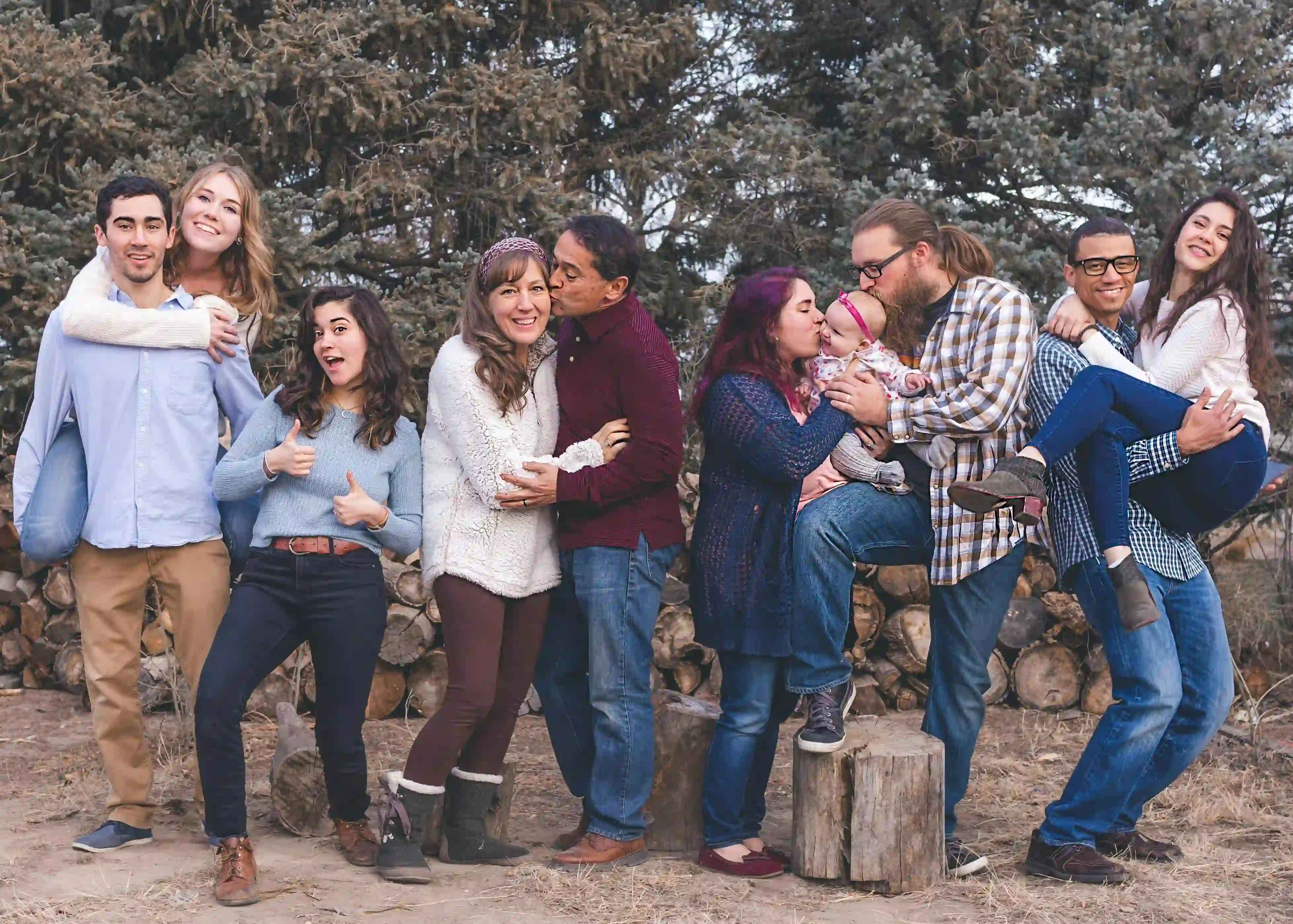
Family Immigration
At Gorostiaga Law, we specialize in bringing families together through comprehensive immigration services. From visas to green cards, we provide compassionate guidance to ensure a smooth journey for you and your loved ones.

Business Immigration
Our firm supports businesses in navigating the complexities of immigration law. We help secure work visas and employment-based green cards, facilitating the growth and success of your enterprise in the U.S.
The Immigration Process Explained
Immigration Law in the U.S.
Navigating the Complexities of U.S. Immigration
Immigration law in the United States governs the process by which individuals can enter, stay, and become citizens. It encompasses a variety of pathways, including family-sponsored immigration, employment-based visas, asylum claims, and naturalization processes. The legal landscape is complex and constantly evolving, requiring expertise to navigate effectively.
At Gorostiaga Law, we provide tailored legal guidance to help individuals and families understand their rights and options, ensuring compliance with all applicable regulations and facilitating a smoother immigration journey.
For more detailed insights, please contact us or explore our services.

ABOUT US
We Fight for justice We are always ready.
Founded on principles of dedication, integrity, and compassion, Gorostiaga Law is committed to providing top-tier immigration and civil law services across New York, New Jersey, and Pennsylvania.
Led by Attorney Virginia Gorostiaga, our firm offers personalized legal guidance with a client-first approach. With extensive experience and a multilingual team, we strive to make complex legal matters approachable and manageable, empowering clients to navigate their legal journeys with confidence.
Contact us to learn more about how we can assist you in your pursuit of justice. We are here to offer support, expert advice, and a robust defense every step of the way.

Expert Advice
Receive expert legal advice tailored to your needs, ensuring informed decisions and effective solutions for your legal challenges.

Legal Defense
We provide strong and strategic legal
defense to protect your rights and achieve the best possible outcome for your case.

99% case win
With a 99% case win rate, we are dedicated to providing effective legal
defense to achieve the best possible outcomes for our clients.

Solutions Built Around Your Needs
From complex cases to personal guidance, Gorostiaga Law Firm is your trusted partner in creating a secure future.
Testimonials
"My husband and I had a great experience with Virginia and her team. Members of the team are fluent in spanish- As a spanish speaking person I really appreciate how easy that made it to understand and follow the process even better. Anytime we had a question or concern they were very easy to reach and always made us feel very comfortable. 100% would recommend to work with them, you won’t regret it!"
- Maria Jose Meneses Meza

"I would recommend all my friends and family to Gorostiaga Law. Virginia is effortless at what she does and genuine lawyer who does things the right way from day one. Thank you for all your time you put on my case Virginia. Take care and hopefully I come back to seek for your legal advise soon."
- Rahin Ahmed
"Ms Gorostiaga is a conscientious dedicated judicious attorney. Ms Virginia Gorostiaga treats each of her clients with a level of respect and compassion that makes you feel valued and understood and lets you know that you will be treated with the utmost professionalism and dedication. I hope one day that Ms Gorostiaga will be more than my attorney, she will be a trusted faithful lifelong friend! I am trusting her with my life and my legacy"
- Edel Quinn
Our Dedicated Immigration Services in New Jersey
At Gorostiaga Law, we are dedicated to guiding you through the complexities of immigration law with compassion and expertise.
Our services include:
Reuniting families is at the heart of what we do. We assist with family petitions, fiancé visas, and other processes to bring your loved ones closer, providing compassionate guidance every step of the way.
Our firm supports businesses and professionals navigating the complexities of immigration law. We help secure work visas and employment-based green cards, facilitating growth and long-term success.
Facing removal proceedings can be daunting, but our experienced team is here to protect your rights and build a strong defense to help you remain in the U.S.
Citizenship and Naturalization
From permanent residency to citizenship, we simplify the naturalization process and ensure you meet all requirements for becoming a U.S. citizen.
Deferred Action for Childhood Arrivals (DACA)
We assist eligible individuals brought to the U.S. as children with applying for or renewing their DACA status, helping secure their futures and remain lawfully in the country.
For those seeking safety from persecution, we provide comprehensive support to apply for asylum or refugee status in the United States, offering experienced, client-focused representation.
Frequently Asked Questions
What services does Gorostiaga Law provide?
Gorostiaga Law specializes in immigration law, offering services such as family immigration, business immigration, naturalization. Our dedicated team provides personalized support to navigate the complexities of the immigration process. We strive to ensure our clients achieve their legal goals efficiently and effectively.
How can I schedule a consultation?
You can schedule a consultation by visiting our website and filling out the contact form. Alternatively, you can call our office directly to speak with a member of our team. We are here to assist you in setting up a convenient appointment.
What should I bring to my consultation?
During your consultation, please bring relevant documents such as your passport, visa, and any immigration paperwork you have. This information will help us better understand your case and provide tailored advice. If applicable, bring any additional documentation related to your family or business immigration needs.
How long does the immigration process take?
The duration of the immigration process varies based on the specific type of application and the current workload of immigration authorities. Our team will provide you with an estimated timeline during your consultation, considering your unique circumstances. We aim to keep you informed and updated throughout the entire process.
Do you offer services in multiple languages?
Yes, our team at Gorostiaga Law is multilingual and can assist clients in English, Spanish, Portuguese, Hindi, and Gujarati. We believe that clear communication is crucial for a successful legal experience. Our goal is to ensure that all clients feel comfortable and fully understand the legal process.
How do I know if I have a civil case worth pursuing?
If you’ve experienced financial loss, property damage, a contract breach, or reputational harm, it may be worth pursuing legal action. We offer consultations to help you evaluate the merits of your case and your best path forward.