Navigating U.S. Immigration Law: Essential Insights
Welcome to the Gorostiaga Law Firm Blog!
At Gorostiaga Law Firm, we believe in empowering our clients and the community through knowledge and resources. Our blog is dedicated to sharing valuable insights on immigration law, personal stories, client success, and updates in the legal landscape.
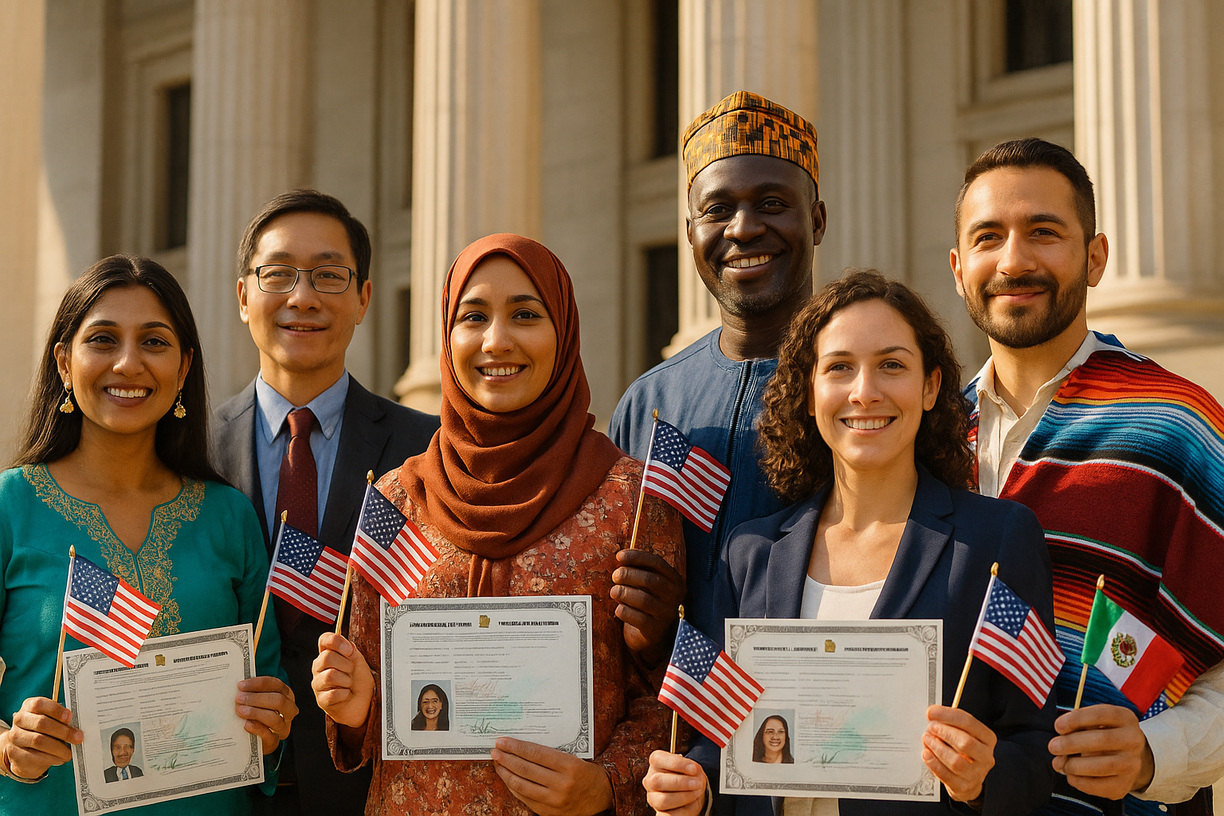
Your Guide to Multilingual Immigration Support for Clients
Client-Focused Immigration Support

Multilingual immigration support means giving legal guidance in the language a client understands best so they know their options, deadlines, and risks. That clarity reduces mistakes and improves results for people who do not speak English as their first language. This article explains how language access removes barriers at every stage of an immigration case, shows what a client-first process looks like in practice, and describes the concrete services multilingual firms provide for families, employers, and vulnerable clients. We focus on practical tools—bilingual intake, certified translations, interpreter coordination—and on why cultural competency matters for testimony, forms, and trust. You’ll also find steps to get multilingual help in New Jersey and examples of how language-specific processes affect outcomes for Spanish, Portuguese, Hindi, and Gujarati speakers. Throughout, we show how a multilingual firm applies these practices locally while keeping the client’s needs front and center.
How does multilingual immigration support remove language barriers in New Jersey?
Multilingual immigration support replaces mistranslation and uncertainty with clear communication in a client’s preferred language, careful document handling, and culturally informed interview preparation. Speaking the client’s language prevents form errors, clarifies USCIS and court instructions, and protects the integrity of testimony — all of which reduce delays and the risk of denial. The practical result is faster, more accurate filings and less anxiety, which helps clients share the facts needed for strong case strategy. Below we match common language challenges to the firm’s concrete responses so you can see how language access works from intake through hearing.
Many clients struggle with legal terms and form questions, which can lead to incorrect filings and missed deadlines. The next section lists the most common communication breakdowns and gives examples of how they happen in real cases.
What language challenges do immigrants most often face during immigration?

Immigrants often misunderstand legal vocabulary, miss or misread deadline notices, and feel unable to ask clarifying questions in high-stakes situations. A small wording difference on a petition can change eligibility categories, and misreading a USCIS notice can lead to a missed deadline — mistakes that are costly but often avoidable with proper language support. Fear and stigma also make clients withhold details that are important to eligibility or defense. Addressing these issues requires accurate translation plus culturally sensitive conversations that encourage full, candid disclosure and protect credibility and compliance.
These client challenges lead to specific operational responses—listed next—that multilingual firms use to prevent misunderstandings before they become case-threatening errors.
Practical multilingual processes that close communication gaps include:
Bilingual intake and screening to record client history accurately in their native language.
Document translation and verification so submitted evidence matches original records.
Hearing and USCIS preparation with role-play and question practice in the client’s language.
Coordination with professional interpreters for proceedings that require certified interpretation.
The list above shows core practices. The table below breaks down typical barriers by language and shows tailored responses for each community.
Introductory note: This table summarizes common client needs by language and firm responses designed to preserve accuracy and comfort.
Language
Common Client Need or Barrier
Firm Response / Service Feature
Spanish
Complex family petition terms and readiness for naturalization
Native-language consultations, translated evidence checklists, and interview role-play in Spanish
Portuguese
Business immigration terminology and employer coordination
Bilingual staff for employer communications, translated corporate documents, and contract review in Portuguese
Hindi
Legal vocabulary and understanding court notices
Hindi-language intake, plain-language deadline explanations, and interpreter scheduling for hearings
Gujarati
Community-specific records and witness coordination
Gujarati-speaking staff for document verification, cultural guidance for witness statements, and affidavit translation
Why choose a multilingual immigration lawyer for Spanish, Portuguese, Hindi, and Gujarati speakers in New Jersey?
Choosing a multilingual immigration lawyer matters because native-language communication builds trust, reduces legal errors, and allows culturally informed strategies that influence case outcomes. Language fluency and cultural competence improve intake accuracy, strengthen testimony, and speed document collection — together leading to timelier filings and clearer legal arguments. The concrete benefits include fewer denials from procedural mistakes, more effective asylum narratives, and stronger family petition evidence. Below are three clear reasons why multilingual representation matters for these communities.
Trust and clarity: Speaking a client’s language builds rapport and reduces fear during sensitive interviews.
Accuracy and compliance: Native-language intake and document review prevent misfilings that cause delays or denials.
Cultural competence: Understanding cultural context shapes effective strategy, from witness statements to credibility presentation.
These points describe the main advantages. The next subsection looks specifically at Spanish-speaking communities in New Jersey and how focused support improves common case types.
After the Spanish section we summarize advantages for Portuguese, Hindi, and Gujarati speakers so you can compare community needs and firm responses.
How does Spanish-language support improve legal outcomes in New Jersey?
Spanish-language immigration support improves outcomes by matching legal explanations, evidence collection, and interview preparation to the realities of local Spanish-speaking communities. Many Spanish-speaking clients seek family petitions, naturalization, and DACA assistance. Native-language intake helps ensure forms are completed correctly and supporting documents are accurately described. A Spanish consultation often uncovers biographical details that affect eligibility and lets attorneys prepare testimony that resonates culturally and preserves credibility. In New Jersey’s dense Spanish-speaking networks, translated checklists and resources also speed reunification and reduce the back-and-forth that delays processing.
This focus on Spanish-language accuracy leads naturally to a comparison with Portuguese, Hindi, and Gujarati communities, which share some needs but also have distinct patterns that multilingual counsel must address.
What are the advantages for Portuguese, Hindi, and Gujarati speakers?
Portuguese, Hindi, and Gujarati speakers gain from services tailored to their communities’ typical legal needs. For Portuguese speakers, bilingual help with employer coordination and contract language reduces confusion in business immigration and aligns employer petitions with visa requirements. For Hindi and Gujarati speakers, native-language intake and translated community records make evidence gathering more reliable and strengthen credibility in family and naturalization cases.
Across these groups, culturally aware communication encourages fuller disclosure and faster document collection, producing more complete filings and better chances of success. Recognizing these community differences leads to client-first case management and compassionate handling of complex matters, which we describe next.
What does a client-first approach look like in multilingual immigration law?

A client-first approach in multilingual immigration law means building processes around the client’s language needs, emotional safety, and access to clear information so decisions are informed and stress is reduced. Practices include multilingual touchpoints at every stage — bilingual intake, translated timelines, proactive deadline monitoring, and trauma-informed interviewing — so clients are not left confused or isolated. The value is concrete: clients who understand their options make better choices, cooperate more fully, and present stronger, more credible narratives in asylum or defense cases. Below are behaviors that show a client-first practice in action.
Key client-first actions include clear timelines, multilingual updates, and active coordination with community resources. The next subsection explains how native-language personalization builds trust and encourages honest communication.
How does personalized support in your native language build trust?
Personalized native-language support builds trust by making legal options easy to understand, encouraging full disclosure of relevant facts, and creating an attorney-client relationship that sustains collaboration over time. When clients hear complex legal concepts in their own language, they’re more likely to ask clarifying questions and share contextual details that determine eligibility or defense strategy. That openness helps attorneys prepare tailored submissions and credible testimony for interviews and hearings. Culturally aware, consistent communication also reduces anxiety and improves follow-through on tasks like document collection and deadlines.
This trust and transparency set the stage for respectful, compassionate handling of complex cases, which the firm turns into concrete case-management practices described next.
How does Gorostiaga Law Firm manage complex immigration cases with care?
Gorostiaga Law Firm applies client-first principles to complex immigration matters through full paperwork management, deadline tracking, multilingual client updates, and trauma-informed communication.
The firm combines procedural rigor — organizing evidence, verifying translations, and scheduling interpreter-assisted interviews — with human-centered practices like regular check-ins in the client’s language and referrals to community supports.
These features reduce the risk of procedural lapses and help clients feel seen and informed during emotionally difficult processes such as asylum claims or deportation defense.
By making language access part of logistics and care, the firm protects client credibility and prepares clients thoroughly for each stage.
These operational practices map directly to service outcomes, which the next table compares to show how language support improves results across service types.
Introductory note: The following table compares core services and how multilingual support delivers measurable benefits.
Service Type
How Language Support Helps
Specific Benefit / Example
Family Immigration
Accurate collection and translation of civil records
Faster approvals because evidence is complete and verified
Business Immigration
Clear employer communication and translated contracts
Fewer RFEs and smoother employer petitions
Asylum and Refugee Law
Trauma-informed interviews and precise narrative capture
Stronger credibility and consistent testimony
Deportation Defense
Interpreter-assisted court preparation and bilingual filings
Fewer procedural errors and better hearing readiness
Naturalization / Citizenship
Language-appropriate civics coaching and form review
Improved test readiness and correct application submission
DACA
Confidential native-language guidance on renewals and status
Timely renewals with accurate supporting documents
Which multilingual immigration services does Gorostiaga Law Firm offer in New Jersey?
Gorostiaga Law Firm offers a full range of immigration services in New Jersey — family immigration, business immigration, asylum and refugee law, deportation defense, naturalization, and DACA — each backed by explicit multilingual capabilities.
Language support speeds evidence gathering, improves interviews, and reduces misinterpretations that often cause delays or denials.
The firm’s model includes direct attorney communication in supported languages when available, bilingual staff assistance, professional interpreter coordination, and end-to-end paperwork management so filings match source documents.
Below is a quick list of core services and one-line benefits that highlight the role of language access.
Family Immigration: Helps petitions reflect family ties accurately with translated civil records.
Business Immigration: Coordinates employer communications and translates contracts to reduce RFEs.
Asylum and Refugee Law: Captures trauma-informed narratives in clients’ languages to preserve credibility.
Deportation Defense: Prepares bilingual court presentations and arranges certified interpreters.
Naturalization and Citizenship: Offers language-appropriate preparation and careful application review.
DACA: Guides renewals and evidence submission with confidentiality and clarity.
Introductory note: The table below shows how multilingual support materially improves outcomes across major service areas.
Service Type
Language-Enabled Feature
Outcome / Example
Family Immigration
Native-language intake and document translation
Accurate petitions and faster adjudication
Business Immigration
Bilingual employer coordination and contract review
Clear petition narratives and fewer follow-ups
Asylum & Refugee Law
Trauma-informed interviews in the client’s language
Consistent testimony and stronger credibility
Deportation Defense
Interpreter coordination for hearings
Fewer procedural errors and stronger advocacy
This comparison shows that multilingual practices are central to quality cases and a better client experience — not optional extras.
The firm combines these language services with local knowledge of New Jersey and nearby jurisdictions to ensure filings fit the venue and community context.
How does Virginia D. Gorostiaga’s experience strengthen multilingual immigration support?
Virginia D. Gorostiaga’s immigrant background and professional recognitions shape a practice centered on empathy, cultural understanding, and strong advocacy for non-English-speaking clients. Her lived experience influences how the firm communicates — prioritizing clarity and emotional safety — while her professional memberships reflect a commitment to competent representation. That mix of empathy and rigor helps turn client stories into persuasive legal narratives and anticipate procedural issues that often affect non-English-speaking clients. The next subsection shows how this lived experience influences client care in specific ways.
How does Virginia D. Gorostiaga’s immigrant background affect client care?
Virginia D. Gorostiaga’s background informs client care by emphasizing native-language communication, building trust, and shaping policies that respect cultural norms important to case strategy. Her perspective leads to practical choices such as offering bilingual consultations, translated intake materials, and trauma-informed interviews in asylum and family cases. These practices create an environment where clients are more comfortable sharing critical facts and following through on paperwork and deadlines. In turn, the firm can prepare more accurate, credible filings that reflect each client’s full context.
What does the firm’s 99% case win rate say about its multilingual expertise?
The firm reports a 99 percent case win rate, which it attributes to careful case management, complete documentation, and communication strategies that minimize procedural mistakes — practices reinforced by multilingual support. Language access contributes by improving evidence collection, clarifying client testimony, and reducing administrative errors that can jeopardize cases. While win-rate figures are an outcome metric, the operational links are clear: native-language intake, accurate translations, and interpreter-assisted preparation strengthen the elements adjudicators evaluate. Readers should see this statistic as a firm-reported indicator tied to disciplined multilingual processes, not as an absolute guarantee.
With founder impact and firm outcomes in mind, the final section explains how clients access multilingual services and what to expect at first contact.
How can you access multilingual immigration legal support at Gorostiaga Law Firm?
Getting multilingual immigration help follows a clear, client-first path: schedule a consultation, complete a bilingual intake, receive a plain-language case plan, and get ongoing multilingual updates and community referrals. Practically, when you specify a language preference at booking, the firm routes your inquiry to a bilingual attorney or staff member and prepares translated intake materials to gather accurate information from the start. The result is predictable next steps and timely filings guided by multilingual communication that preserves critical facts. Below is a step-by-step outline of what to expect.
Schedule an initial consultation and tell us your preferred language so staff can arrange a bilingual attorney or bilingual intake.
Complete a bilingual intake that records your history, documents, and immediate legal needs in your language.
Receive a plain-language case plan that explains filings, timelines, and required documents in your native tongue.
Get ongoing multilingual updates, interpreter scheduling for hearings, and referrals to community supports as needed.
This sequence clarifies the workflow; the next subsection describes scheduling details and community resource connections you can expect.
How do you schedule a consultation with a Spanish, Portuguese, Hindi, or Gujarati immigration lawyer?
To schedule a consultation, indicate your language preference through the firm’s contact channels and the firm will arrange a bilingual intake and attorney assignment when possible. The initial contact collects basic facts and language needs, then the firm sends translated intake forms and a document checklist to prepare before the meeting. At intake, a bilingual attorney or staff member reviews the case in your language, explains options and timelines, and outlines next steps. This ensures you understand obligations and the lawyer has the facts needed to move forward.
These scheduling and intake steps are supported by community partnerships that offer additional language services; the following subsection gives details.
What community resources and support does the firm provide for immigrants?
The firm partners with community organizations and participates in immigrant-focused outreach, including work that supports vulnerable populations and youth. One example is support for Kids in Need of Defense (KIND), reflecting a commitment to children and families who need language-accessible help. The firm also refers clients to local interpretation hotlines, translated government resources, and community groups that provide social supports to complement legal services. These partnerships extend the firm’s client-first approach beyond legal filings to practical supports that remove barriers to compliance and well-being.
These resources strengthen legal representation by making sure clients receive both accurate legal guidance and the broader support needed for successful outcomes in New Jersey and nearby jurisdictions.
Frequently Asked Questions
1. What should I consider when choosing a multilingual immigration lawyer?
Look for fluency in your language, understanding of cultural nuances, and experience with cases like yours. A lawyer who speaks your language will explain processes more clearly and make it easier to discuss sensitive issues. Choose a firm with a client-first approach that prioritizes your needs, and review testimonials and success metrics to gauge effectiveness.
2. How can language access improve my immigration case?
Language access reduces misunderstandings and errors by ensuring communications, documents, and legal advice are conveyed in your preferred language. That accuracy strengthens your case and builds trust so you can share information that may affect eligibility or defense. Culturally informed guidance can also shape more persuasive narratives and evidence gathering.
3. What documents will need translation during the immigration process?
Common documents that require translation include birth certificates, marriage licenses, financial records, police reports, and legal petitions. Evidence submitted to immigration authorities must be in English, so accurate translations — often certified — are crucial. A multilingual lawyer can help ensure translations meet filing requirements and that forms are completed correctly.
4. How does cultural competency affect immigration law?
Cultural competency helps lawyers understand clients’ backgrounds and craft strategies that reflect their experiences and values. It improves communication around sensitive topics, builds trust, and encourages clients to share details that may be critical to their cases. This approach improves the quality of representation and often leads to better outcomes.
5. What are the benefits of bilingual intake processes?
Bilingual intake improves accuracy in recording client information and creates a more comfortable space for clients to tell their stories. Conducting intake in a client’s native language reduces errors that could harm a case and builds trust that helps clients follow through on document collection and deadlines.
6. How can I prepare for my first consultation with a multilingual immigration lawyer?
Gather relevant documents such as identification, prior immigration forms, and any notices from immigration authorities. Write down questions and a timeline of your immigration history. When you book the appointment, specify your language preference so the firm can arrange a bilingual consultation and send translated intake materials.
7. What community resources are available for immigrants in New Jersey?
New Jersey has nonprofits and local organizations that offer legal aid, language classes, and social services tailored to immigrant communities. The Gorostiaga Law Firm works with community partners to refer clients to interpretation hotlines, translated resources, and social-support organizations. Using these resources alongside legal advice helps immigrants address practical needs that support successful legal outcomes.

Ready to Begin Your Immigration Journey?
Let Us Guide You to Success.
Comprehensive Case
Management:
From start to finish, we handle all paperwork, deadlines, communication with U.S. immigration authorities.
Transparent
and
Clear Guidance:
Immigration processes are complex, but we make it simple by guiding you every step of the way.
Expert Guidance for Immigration Success:
At Gorostiaga Law Firm, we go beyond paperwork, taking time to understand your story, needs, and goals.
Why Choose Us?
At Gorostiaga Law Firm, we’re more than just attorneys—we’re dedicated advocates in the complex world of U.S. immigration. With extensive experience, a strong track record, and a personal approach, we deliver solutions tailored to your needs, from family sponsorships to employment visas and asylum cases.
Our multilingual team ensures clear communication and support in English, Spanish, Portuguese, Hindi, and Gujarati.
Proven Expertise in U.S. Immigration:
Our firm brings extensive experience in immigration law and is up-to-date with the latest regulations.
Why Choose Us?
At Gorostiaga Law Firm, we’re more than just attorneys—we’re dedicated advocates in the complex world of U.S. immigration. With extensive experience, a strong track record, and a personal approach, we deliver solutions tailored to your needs, from family sponsorships to employment visas and asylum cases.
Proven Expertise in U.S. Immigration:
Our firm brings extensive experience in immigration law and is up-to-date with the latest regulations.
Comprehensive Case Management:
From start to finish, we handle all paperwork, deadlines, communication with U.S. immigration authorities.
Transparent
and
Clear Guidance:
Immigration processes are complex, but we make it simple by guiding you every step of the way.
Expert Guidance for Immigration Success:
At Gorostiaga Law Firm, we go beyond paperwork, taking time to understand your story, needs, and goals.
PRACTICE AREAS
Comprehensive Immigration Support
At Gorostiaga Law, we pride ourselves on delivering the best legal defense services to
our clients. Contact us today to see how we can assist you with your legal needs.

Family Immigration
At Gorostiaga Law, we specialize in bringing families together through comprehensive immigration services. From visas to green cards, we provide compassionate guidance to ensure a smooth journey for you and your loved ones.

Business Immigration
Our firm supports businesses in navigating the complexities of immigration law. We help secure work visas and employment-based green cards, facilitating the growth and success of your enterprise in the U.S.
The Immigration Process Explained
Immigration Law in the U.S.
Navigating the Complexities of U.S. Immigration
Immigration law in the United States governs the process by which individuals can enter, stay, and become citizens. It encompasses a variety of pathways, including family-sponsored immigration, employment-based visas, asylum claims, and naturalization processes. The legal landscape is complex and constantly evolving, requiring expertise to navigate effectively.
At Gorostiaga Law, we provide tailored legal guidance to help individuals and families understand their rights and options, ensuring compliance with all applicable regulations and facilitating a smoother immigration journey.
For more detailed insights, please contact us or explore our services.

ABOUT US
We Fight for justice We are always ready.
Founded on principles of dedication, integrity, and compassion, Gorostiaga Law is committed to providing top-tier immigration and civil law services across New York, New Jersey, and Pennsylvania.
Led by Attorney Virginia Gorostiaga, our firm offers personalized legal guidance with a client-first approach. With extensive experience and a multilingual team, we strive to make complex legal matters approachable and manageable, empowering clients to navigate their legal journeys with confidence.
Contact us to learn more about how we can assist you in your pursuit of justice. We are here to offer support, expert advice, and a robust defense every step of the way.

Expert Advice
Receive expert legal advice tailored to your needs, ensuring informed decisions and effective solutions for your legal challenges.

Legal Defense
We provide strong and strategic legal
defense to protect your rights and achieve the best possible outcome for your case.

99% case win
With a 99% case win rate, we are dedicated to providing effective legal
defense to achieve the best possible outcomes for our clients.

Solutions Built Around Your Needs
From complex cases to personal guidance, Gorostiaga Law Firm is your trusted partner in creating a secure future.
Testimonials
"My husband and I had a great experience with Virginia and her team. Members of the team are fluent in spanish- As a spanish speaking person I really appreciate how easy that made it to understand and follow the process even better. Anytime we had a question or concern they were very easy to reach and always made us feel very comfortable. 100% would recommend to work with them, you won’t regret it!"
- Maria Jose Meneses Meza

"I would recommend all my friends and family to Gorostiaga Law. Virginia is effortless at what she does and genuine lawyer who does things the right way from day one. Thank you for all your time you put on my case Virginia. Take care and hopefully I come back to seek for your legal advise soon."
- Rahin Ahmed
"Ms Gorostiaga is a conscientious dedicated judicious attorney. Ms Virginia Gorostiaga treats each of her clients with a level of respect and compassion that makes you feel valued and understood and lets you know that you will be treated with the utmost professionalism and dedication. I hope one day that Ms Gorostiaga will be more than my attorney, she will be a trusted faithful lifelong friend! I am trusting her with my life and my legacy"
- Edel Quinn
Our Dedicated Immigration Services in New Jersey
At Gorostiaga Law, we are dedicated to guiding you through the complexities of immigration law with compassion and expertise.
Our services include:
Reuniting families is at the heart of what we do. We assist with family petitions, fiancé visas, and other processes to bring your loved ones closer, providing compassionate guidance every step of the way.
Our firm supports businesses and professionals navigating the complexities of immigration law. We help secure work visas and employment-based green cards, facilitating growth and long-term success.
Facing removal proceedings can be daunting, but our experienced team is here to protect your rights and build a strong defense to help you remain in the U.S.
Citizenship and Naturalization
From permanent residency to citizenship, we simplify the naturalization process and ensure you meet all requirements for becoming a U.S. citizen.
Deferred Action for Childhood Arrivals (DACA)
We assist eligible individuals brought to the U.S. as children with applying for or renewing their DACA status, helping secure their futures and remain lawfully in the country.
For those seeking safety from persecution, we provide comprehensive support to apply for asylum or refugee status in the United States, offering experienced, client-focused representation.
Frequently Asked Questions
What services does Gorostiaga Law provide?
Gorostiaga Law specializes in immigration law, offering services such as family immigration, business immigration, naturalization. Our dedicated team provides personalized support to navigate the complexities of the immigration process. We strive to ensure our clients achieve their legal goals efficiently and effectively.
How can I schedule a consultation?
You can schedule a consultation by visiting our website and filling out the contact form. Alternatively, you can call our office directly to speak with a member of our team. We are here to assist you in setting up a convenient appointment.
What should I bring to my consultation?
During your consultation, please bring relevant documents such as your passport, visa, and any immigration paperwork you have. This information will help us better understand your case and provide tailored advice. If applicable, bring any additional documentation related to your family or business immigration needs.
How long does the immigration process take?
The duration of the immigration process varies based on the specific type of application and the current workload of immigration authorities. Our team will provide you with an estimated timeline during your consultation, considering your unique circumstances. We aim to keep you informed and updated throughout the entire process.
Do you offer services in multiple languages?
Yes, our team at Gorostiaga Law is multilingual and can assist clients in English, Spanish, Portuguese, Hindi, and Gujarati. We believe that clear communication is crucial for a successful legal experience. Our goal is to ensure that all clients feel comfortable and fully understand the legal process.
How do I know if I have a civil case worth pursuing?
If you’ve experienced financial loss, property damage, a contract breach, or reputational harm, it may be worth pursuing legal action. We offer consultations to help you evaluate the merits of your case and your best path forward.