
Adjustment of Status vs Consular Processing: What’s the Difference?
Adjustment of Status vs. Consular Processing: Which Green Card Path is Right for You?
Applying for a U.S. Green Card can feel overwhelming. The two main routes are Adjustment of Status (AOS) and Consular Processing. Which is best depends on where you are, your immigration history, and your eligibility. This guide summarizes the differences, who typically qualifies, expected timing, and when to consult an attorney.
What Are the Key Differences Between Adjustment of Status and Consular Processing?
Both paths lead to lawful permanent residence but follow different procedures in different locations: AOS is filed inside the U.S.; Consular Processing is completed at a U.S. embassy or consulate abroad.
Location of Application: AOS is handled in the United States; Consular Processing is done overseas at a U.S. consulate or embassy.
Process Steps: AOS uses Form I-485, biometrics, and usually a USCIS interview; Consular Processing uses the DS-260 and a consular interview after NVC processing.
Travel Requirements: AOS applicants generally remain in the U.S. while pending (travel requires advance parole); Consular Processing requires an interview abroad before entry.
Processing Times: AOS timing depends on USCIS field offices and complexity; Consular Processing timing varies by country and consulate workload.
How Does the Adjustment of Status Process Work Within the U.S.?

AOS lets qualifying applicants apply for a Green Card while in the U.S. It begins with Form I-485, followed by a biometrics appointment and usually a USCIS interview where you present supporting evidence (for example, marriage or employment documents). Maintain lawful status where required while your case is pending.
Typical AOS processing often ranges several months to over a year depending on office backlogs and case specifics.
What Are the Steps Involved in Consular Processing Abroad?
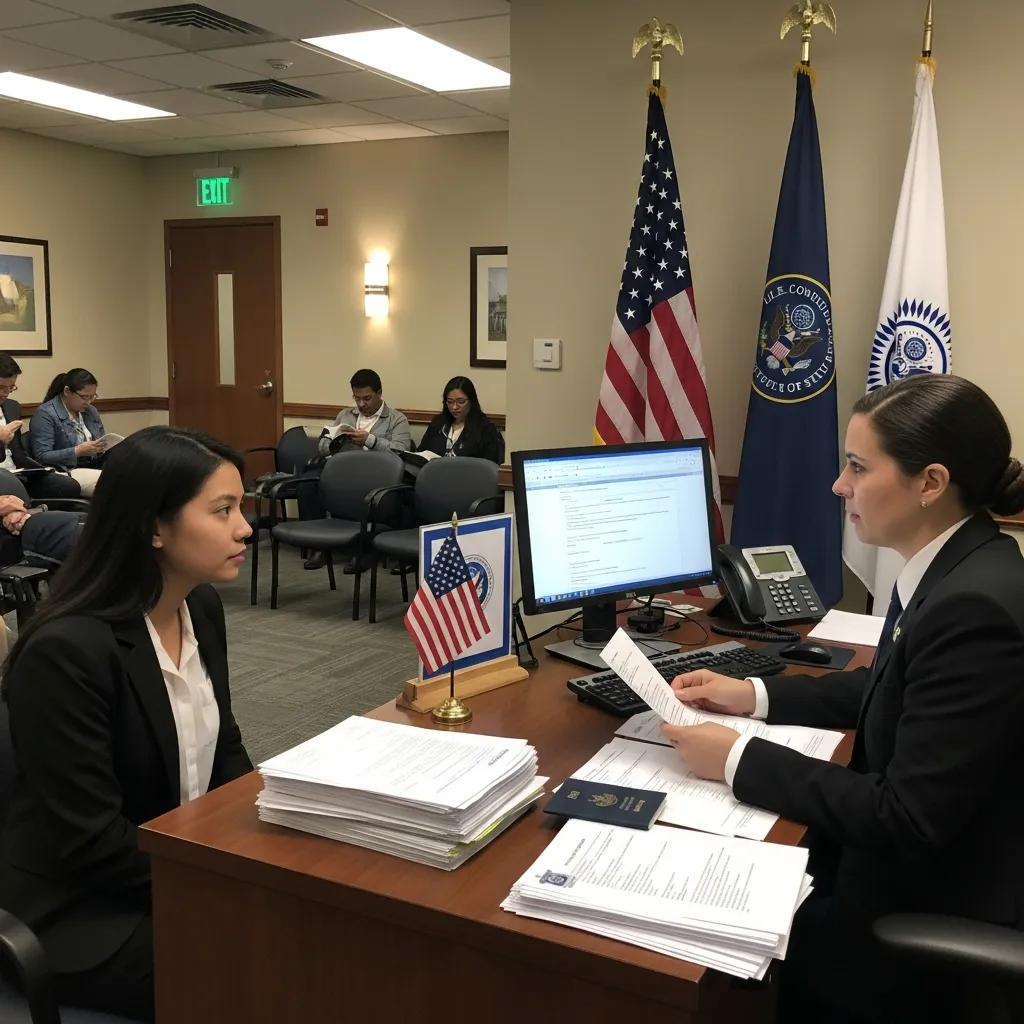
After an approved immigrant petition (e.g., Form I-130 or I-140), the National Visa Center (NVC) provides instructions. You submit civil documents, complete the DS-260, pay fees, and attend a consular interview. If approved, you receive an immigrant visa and may travel to the U.S. to become a permanent resident.
Who Is Eligible for Adjustment of Status or Consular Processing?
Eligibility depends on your status, the Green Card category (family, employment, etc.), and admissibility under U.S. immigration law. Below are common criteria for each route.
What Are the Eligibility Criteria for Filing Adjustment of Status?
To file AOS you generally must meet several conditions:
Admissibility to the U.S.: No bar under immigration law preventing a Green Card.
Lawful Entry: Usually inspected and admitted or paroled into the U.S.
Eligibility Category: Qualify under an eligible family or employment petition.
Physical Presence: Be physically present in the U.S. when filing Form I-485.
Meeting these conditions makes AOS an available option but does not guarantee approval.
What Are the Eligibility Requirements for Consular Processing?
Common Consular Processing requirements include:
Approved Immigrant Petition: An approved I-130, I-140, or similar petition.
Admissibility: Not inadmissible under immigration law.
Good Moral Character: Consular officers review criminal history and other grounds of inadmissibility.
Document Requirements: Provide required civil records and financial support evidence.
Consular Processing confirms admissibility before a visa is issued.
How Do Processing Times and Interview Procedures Compare?
Timing and interview protocols differ and can affect total wait times and planning.
What Are the Typical USCIS Processing Times for Adjustment of Status?
AOS processing varies by field office and case. Many cases fall in an 8–14 month range, but factors like security checks, RFEs, and backlogs can extend that timeframe.
How Long Does Consular Processing Take at U.S. Consulates?
After NVC review, Consular Processing often takes a few months, but timelines vary widely by consulate, local conditions, and whether additional administrative processing is needed.
When Should You Consult an Immigration Attorney for Your Filing Option?
Consult an attorney if your case has complex eligibility questions, prior immigration violations, criminal history, or urgent timing needs. Legal advice helps choose the right path and reduces procedural risks.
How Can Legal Representation Help With Adjustment of Status Applications?
An attorney can support AOS cases by:
Navigating Complexities: Interpreting rules and how they apply to your facts.
Document Preparation: Organizing and submitting the evidence USCIS expects.
Interview Preparation: Coaching you to present a consistent, clear case at the USCIS interview.
What Are the Benefits of Attorney Guidance During Consular Processing?
For Consular Processing, an attorney can help by:
Ensuring Compliance: Following consulate instructions and timelines.
Addressing Concerns: Preparing responses to difficult questions or potential inadmissibility issues.
Maximizing Success: Reducing the chance of denials or administrative delays.
The Gorostiaga Law Firm focuses on immigration law and can provide guidance for either AOS or Consular Processing.
If you need help with immigration law, consult experienced counsel for options and next steps. If you face persecution or fear returning home, asylum or refugee protection may be issues to discuss with an attorney.
Frequently Asked Questions
What are the advantages of Adjustment of Status over Consular Processing?
AOS is often more convenient if you are already in the U.S.: you can remain while the case is pending and may obtain work authorization and advance parole, which helps maintain work and family continuity.
Can I switch from Consular Processing to Adjustment of Status?
Switching can be possible if you are physically present in the U.S. and meet AOS eligibility, but it requires careful review of status and admissibility—consult an attorney before attempting a switch.
What happens if my Adjustment of Status application is denied?
If denied, USCIS will explain reasons and any appeal or motion options. You may be able to appeal, file a motion to reopen, or pursue other relief; act promptly and get legal advice.
Are there any risks associated with Consular Processing?
Yes. A consular officer can deny the visa, require administrative processing, or request more documents. Preparation reduces these risks but cannot eliminate them.
How can I expedite my Green Card application process?
Expedites are limited and granted only for specific urgent reasons. USCIS or consulates may consider expedite requests in qualifying emergencies; an attorney can advise whether you qualify and help submit a strong request.
What should I do if I receive a Request for Evidence (RFE)?
Respond quickly and thoroughly with the requested evidence. Incomplete or late responses increase denial risk; many applicants benefit from attorney help to craft a complete reply.