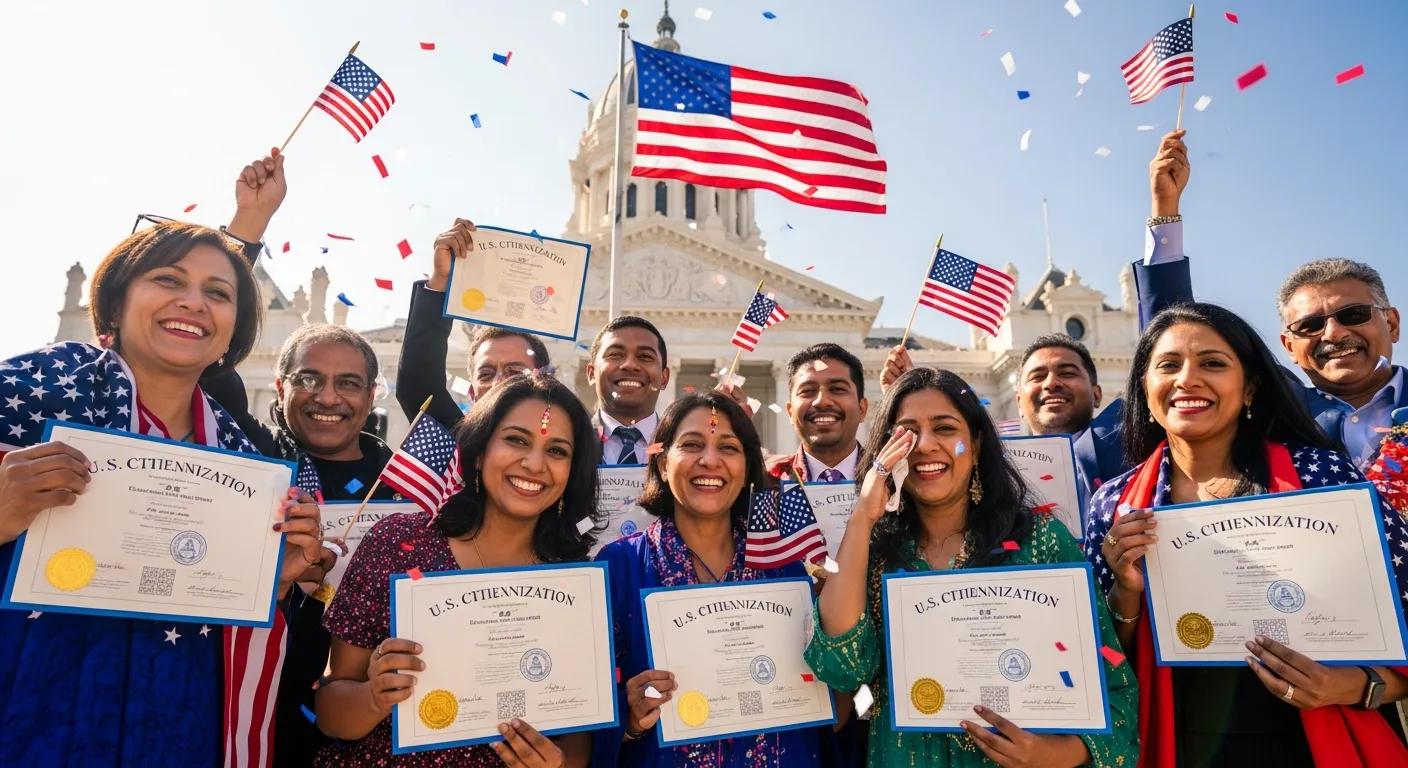
Understand Citizenship vs Naturalization – Expert Insights
Citizenship vs. Naturalization — a clear guide to becoming a U.S. citizen
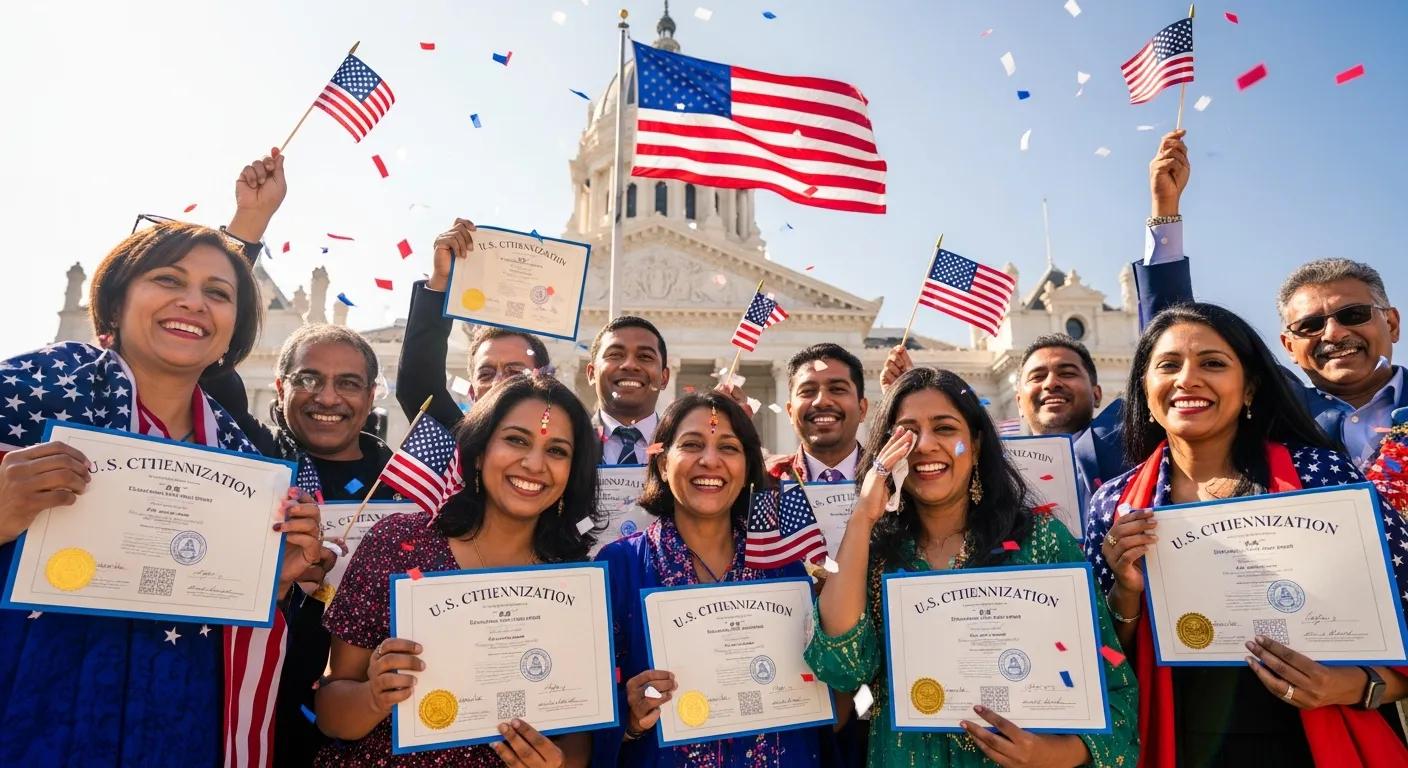
Becoming a U.S. citizen is more than a change in legal status — it’s a meaningful step toward full civic participation and greater stability for you and your family. This guide explains the difference between citizenship and naturalization, outlines who qualifies for naturalization, and walks through each step of the process. Immigration law can feel overwhelming; our goal here is to break the process into clear, practical information so you can move forward with confidence. We’ll cover your rights and responsibilities as a citizen, what to expect during the naturalization process, and how a naturalization lawyer can support you along the way.
What is U.S. citizenship, and how does it differ from naturalization?
U.S. citizenship is a legal status that gives people the right to live and work in the United States, vote in elections, and receive protection from deportation. You can become a citizen either by birth or through naturalization. Naturalization is the formal legal process by which a noncitizen becomes a U.S. citizen after meeting specific requirements set by the U.S. government.
What rights and responsibilities come with U.S. citizenship?
U.S. citizens gain important rights and take on responsibilities that are central to civic life. Key points include:
Voting rights: Citizens may vote in local, state, and federal elections and help shape public policy.
Legal responsibilities: Citizens must follow U.S. laws and are accountable for violations.
Civic duties: Citizens may be called to serve on juries and are expected to participate in community obligations when required.
These rights and duties help ensure an engaged, informed citizenry.
How do birthright citizenship and naturalization differ?
Birthright citizenship and naturalization are two paths to the same legal status. Birthright citizenship is granted automatically to most people born on U.S. soil under the 14th Amendment. Naturalization, by contrast, requires a foreign national to apply and meet set conditions — like residency and good moral character — before being granted citizenship.
AspectBirthright CitizenshipNaturalizationAcquisition MethodAutomatic at birthLegal process requiredEligibility CriteriaBorn in the U.S. or born abroad to U.S. citizen parents under certain conditionsResidency, good moral character, other requirementsRights GrantedImmediateAfter successful application
Knowing how these pathways differ helps you choose the right route to citizenship.
What are the eligibility requirements for U.S. naturalization?
USCIS sets specific eligibility rules for naturalization to ensure applicants are prepared for citizenship responsibilities. Below are the main requirements you should know.
How does Green Card status affect naturalization eligibility?
Lawful permanent resident status (a Green Card) is a core requirement. Generally, you must have held a Green Card for at least five years before applying — or three years if you’re married to and living with a U.S. citizen. This period shows a sustained commitment to living and following the laws of the United States.
What are the age, residence, and good moral character requirements?
Applicants must also meet specific age, residence, and character standards:
Age: You must be at least 18 when you file.
Residence: You must have been a lawful permanent resident for at least five years (or three years if married to a U.S. citizen and living together) and physically present in the United States for at least half of that time.
Good moral character: USCIS evaluates conduct during the five-year period (or three-year period for spouses of U.S. citizens) before the application to determine good moral character.
Meeting these criteria helps demonstrate you’re ready to take on the responsibilities of citizenship.
What are the steps in the naturalization process?

The path to naturalization has several clearly defined steps. Understanding each one reduces surprises and helps you prepare the documents and evidence USCIS will expect.
How do you complete and file the Form N-400 application?
The process begins with Form N-400, the Application for Naturalization. The form asks for detailed information about your background, residence history, and moral character. Accuracy matters — include required documents like a copy of your Green Card and passport-style photos when you file.
What happens during biometrics, the interview, and the Oath of Allegiance?
After filing, you’ll get a notice for a biometrics appointment so USCIS can take fingerprints for background checks. Next is an interview with a USCIS officer who will review your application and administer the English and civics tests. If you pass, the final step is the Oath of Allegiance ceremony, where you officially become a U.S. citizen.
How do the English and civics tests affect naturalization?
Applicants must show basic English ability and knowledge of U.S. civics. These tests confirm that new citizens understand the language and the fundamentals of U.S. government.
What are the test requirements and recent civics test updates?
The English exam evaluates reading, writing, and speaking. The civics test measures knowledge of U.S. history and government. After temporary changes in 2020, USCIS returned to the 2008 civics test (100 questions) in 2021 and continues to use that version as of 2024. There are no official 2025 updates announcing new questions or a current-events focus; applicants should prepare using the current test materials.
Who qualifies for exemptions or accommodations on the tests?
Certain applicants may qualify for exceptions or accommodations. For example, the "50/20" exception lets applicants age 50 or older, with at least 20 years as a permanent resident, take the civics test in their native language. The "55/15" exception applies to those 55 or older with at least 15 years as a permanent resident. Applicants with disabilities can also request testing accommodations.
What are the benefits of becoming a U.S. citizen?

Naturalization brings concrete benefits that often matter most — access to full civic rights, stronger travel protections, and the ability to sponsor certain family members for immigration. These advantages can improve stability and opportunity for you and your loved ones.
Do naturalized citizens have the same rights as birthright citizens?
Yes. Naturalized citizens hold the same rights as those born in the U.S., including voting and eligibility for most public offices. One constitutional limit: naturalized citizens are ineligible to serve as President or Vice President.
What practical advantages does U.S. citizenship provide?
The most common benefits include:
Voting access: The right to vote in local, state, and federal elections.
Travel benefits: A U.S. passport that eases international travel and provides consular support abroad.
Legal protections: Protection from deportation and the ability to sponsor certain relatives for immigration to the United States.
These benefits reinforce why many people choose naturalization.
How can a naturalization lawyer in NJ help you through the process?
The naturalization process has legal and procedural details that can be difficult to navigate alone. A qualified naturalization lawyer can help you avoid common errors, prepare a complete application, and represent you if complications arise.
If you want to learn more about the firm’s approach and values, read about Gorostiaga Law Firm to see how they support clients through immigration matters.
What services does Gorostiaga Law Firm provide for naturalization applicants?
Gorostiaga Law Firm, PLLC, focuses on immigration law and offers services for naturalization applicants, including:
Consultation services: One-on-one consultations to assess eligibility and plan the application strategy.
Application support: Help with completing and filing Form N-400 and assembling necessary documentation.
Multilingual assistance: Services in multiple languages to serve clients from diverse backgrounds.
Working with experienced counsel can simplify the process and improve the odds of a smooth outcome.
What are typical costs, and how should you prepare for legal help?
Fees for hiring a naturalization lawyer vary with case complexity and the services provided. Typical ranges are $1,000 to $3,000, depending on the level of support. To prepare, gather documents such as your Green Card, government IDs, and records that prove your residency and good moral character.
Knowing the likely costs and preparing your paperwork in advance makes working with an attorney more efficient and cost-effective.
Frequently Asked Questions
What is the difference between citizenship and permanent residency?
Citizenship and permanent residency are different legal statuses. Citizenship grants full civic rights, including voting and holding most public offices. Permanent residency (a Green Card) allows you to live and work in the U.S. but does not give you all citizen rights. Permanent residents may apply for citizenship through naturalization after meeting specific requirements, but they do not have certain obligations and protections that citizens do, such as mandatory jury service.
Can a naturalized citizen lose their citizenship?
Yes, a naturalized citizen can lose citizenship in limited circumstances, such as if the citizenship was obtained through fraud or if the person commits serious acts like treason. Voluntary renunciation of citizenship or certain service in foreign armed forces can also lead to loss of citizenship. It’s important for naturalized citizens to understand these responsibilities to avoid actions that could jeopardize their status.
What is the role of a naturalization lawyer in the application process?
A naturalization lawyer guides applicants through eligibility questions, helps complete and file Form N-400, and assembles supporting evidence. Lawyers can also prepare applicants for the civics and English tests, represent them at interviews, and address legal problems that arise. Their experience can reduce delays and increase the chance of a successful application.
Are there any age-related exemptions for the naturalization tests?
Yes. Applicants age 50 or older with at least 20 years as a permanent resident (the "50/20" rule) and applicants age 55 or older with at least 15 years as a permanent resident (the "55/15" rule) may take the civics test in their native language. These rules accommodate older applicants who may have language challenges.
What happens if my naturalization application is denied?
If your application is denied, you will receive a written notice explaining the reasons. You typically have the right to appeal the decision — for example, to the Administrative Appeals Office (AAO) — within 30 days. Many applicants choose to consult a lawyer to review the denial, address the issues, and improve the chance of success on appeal or reapplication.
How long does the naturalization process typically take?
Processing times vary by location and case complexity, but the typical range is about six months to a year from filing to the Oath of Allegiance. Delays can occur due to local USCIS workload, additional evidence requests, or background checks. Applicants can track their status online and should plan for potential delays during peak periods.