
Employer Sponsorship: What Businesses Need to Know Before Hiring Immigrant Talent
Employer Visa Sponsorship Process: Essential Guidance for Businesses Hiring Immigrant Talent
Employer visa sponsorship demands careful management of visa classifications, statutory duties, and regulatory compliance. This article outlines core requirements, common visa categories, and the typical procedural stages employers follow to reduce risk and improve hiring efficiency. For comprehensive legal support, consider consulting Gorostiaga Law Firm.
What Are the Key Employer Sponsorship Requirements for Hiring Immigrant Employees?
To sponsor an employee, an employer must meet statutory and regulatory requirements: confirm the position qualifies under the visa classification, offer the prevailing wage, and maintain accurate employment and payroll records to withstand review.
RequirementDescriptionImportanceJob QualificationThe position must meet specific criteria set by the Department of Labor.Ensures the role is suitable for sponsorship.Prevailing WagesEmployers must pay at least the prevailing wage for the position.Protects U.S. workers and ensures fair compensation.Record MaintenanceEmployers must keep detailed records of employment and wages.Essential for compliance and audits.
Gorostiaga Law Firm offers guidance on these requirements and assists employers in preparing petitions and maintaining compliance through the sponsorship lifecycle.
Which Visa Types Are Commonly Used for Employer Sponsorship in New Jersey?
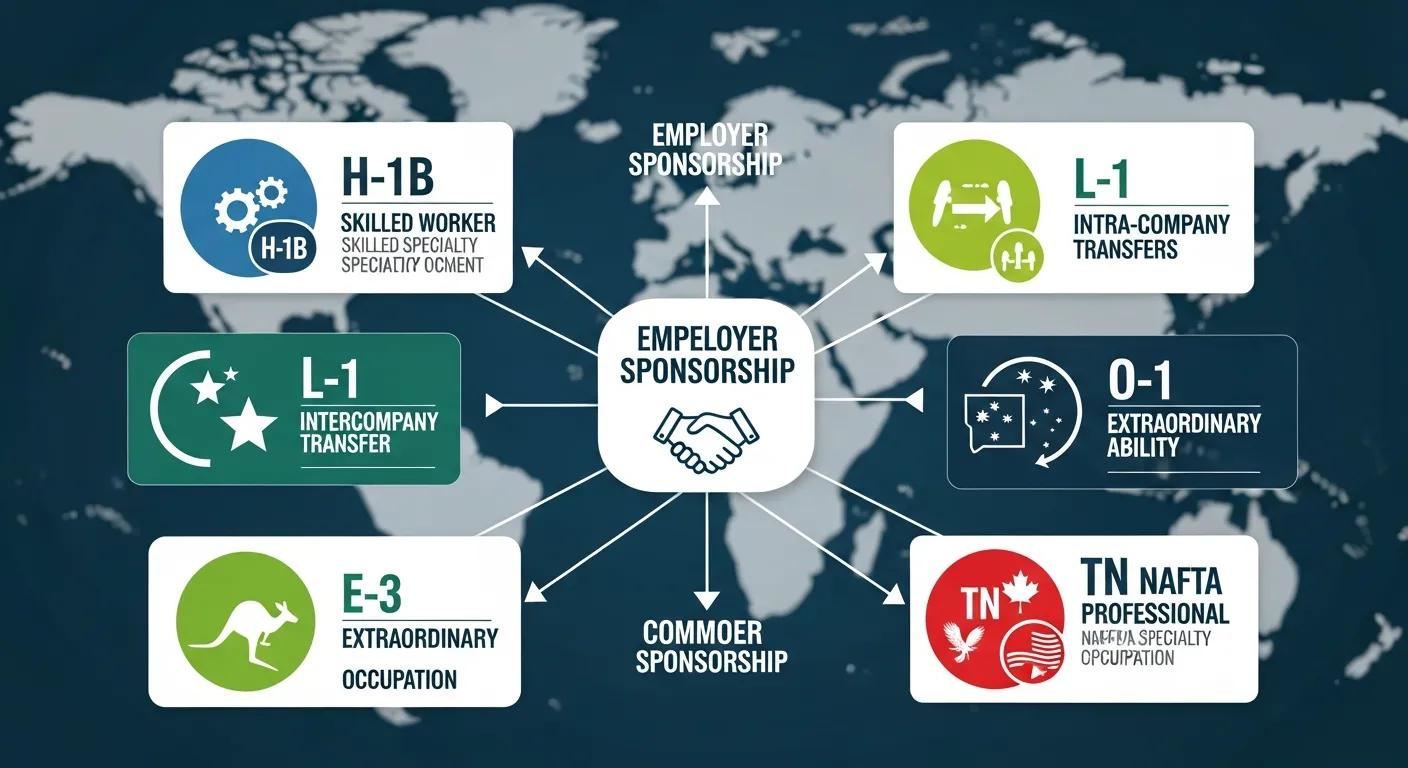
Employers commonly use several work visa classifications. Choice depends on the role, the candidate’s qualifications, and the employer’s structure.
H-1B Visa: For specialty occupations requiring a bachelor's degree or equivalent.
L-1 Visa: For intra-company transferees within multinational firms.
E-2 Visa: For investors and employees tied to investment enterprises.
TN Visa: For Canadian and Mexican citizens under USMCA.
O-1 Visa: For individuals with extraordinary ability.
H-2B Visa: For temporary non-agricultural workers.
Each classification has distinct eligibility and procedural requirements; evaluate options against operational needs and the candidate’s credentials. For expert advice, contact Virginia Gorostiaga, an experienced immigration attorney.
What Legal Obligations Must Employers Meet During Sponsorship?
Sponsoring employers must satisfy obligations that protect workers and meet immigration and labour rules to ensure the employment relationship is legitimate.
File Necessary Forms: Submit appropriate petitions to USCIS (e.g., Form I-129 for H-1B).
Demonstrate Need for Foreign Talent: Show there are no qualified U.S. workers for the role where required.
Ensure Financial Stability: Document the employer’s ability to pay the offered wage.
Meeting these obligations reduces the chance of denials and enforcement actions. For detailed legal assistance, visit immigration lawyer services.
How Does the Employer Visa Sponsorship Process Work Step-by-Step?
The process follows a set of administrative steps that must be completed accurately and on schedule to secure a favorable result.
Determine the Right Work Visa: Match the job and candidate to the correct visa category.
Gather Necessary Documents: Assemble job descriptions, financial records, and supporting evidence.
Submit Petitions to USCIS: File the required petitions and forms.
Wait for Approval: Track status and respond to requests for evidence promptly.
Complete the Visa Process: Once approved, assist the employee with consular or adjustment steps.
Timely, accurate responses to evidence requests improve the likelihood of a smooth process.
What Documents and Filings Are Required for Visa Applications?
Petitions require supporting documentation that demonstrates the bona fides of the job offer and the employer’s capacity to meet wage and regulatory obligations.
Passport-Style Photographs: As required for visa forms.
Proof of Residency: Documents showing the applicant’s current residency status, where applicable.
Tax Returns: Employer financials to show ability to pay wages.
Compile and submit documents per filing instructions to avoid delays or denials.
How Long Does the Sponsorship Process Typically Take?
Processing times vary by visa class and workloads; timelines range from weeks to several months, depending on the category and consulate or USCIS caseload.
H-1B Visa: Often 3–6 months.
L-1 Visa: Commonly 2–4 months.
E-2 Visa: Varies by consulate.
An immigration attorney can provide a case-specific timeline.
What Are the Compliance Responsibilities for Businesses Sponsoring Immigrant Workers in New Jersey?

Employers must meet state and federal compliance obligations when sponsoring foreign workers to support lawful operations and limit enforcement risk.
Operating as a Legal Entity: Be registered and in good standing with authorities.
Proving the Need for Foreign Talent: Demonstrate legitimate need when required by rule.
Preparing for Audits: Keep accurate records and be audit-ready.
Strong compliance practices help avoid penalties and preserve sponsorship privileges.
How Can Employers Ensure Ongoing Business Immigration Compliance?
Ongoing compliance requires consistent processes and periodic reviews of immigration-related records and filings.
Maintain Records: Keep detailed documentation of employee status and visas.
Submit Necessary Filings: File timely renewals and updates.
Prepare for Audits: Regularly review practices and maintain an audit response plan.
These measures reduce legal exposure and support workforce stability.
What Are the Risks and Consequences of Non-Compliance?
Non-compliance can result in financial penalties, reputational harm, and legal costs that affect operations and talent attraction.
Financial Damages: Fines and penalties.
Reputational Damage: Harm to employer brand and recruitment.
Legal Costs: Expenses arising from enforcement or litigation.
Prioritising compliance helps mitigate these risks.
Where Can Employers Find Support and Legal Guidance for Immigrant Employee Hiring?
Employers can rely on professional resources to streamline sponsorship and compliance.
Consultation with Immigration Attorneys: Legal advice to navigate complex rules.
Corporate Employment Visa Services: Specialized support for applications.
Legal Services for Compliance: Ongoing counsel to maintain compliance.
Using these resources can reduce regulatory risk and administrative burden. For asylum and refugee matters, see Asylum and Refugee Law services.
How Can a New Jersey Work Visa Lawyer Assist Employers?
A work visa lawyer provides specialized support throughout sponsorship, from petition preparation to audit defense and ongoing compliance advice.
Manage Employer-Sponsored Visas: Help prepare and file petitions.
Prepare for Audits: Assist with documentation and responses.
Ensure Compliance: Advise on policies and filings to meet obligations.
Retaining counsel improves approval chances and helps meet legal duties. For assistance with citizenship and naturalization, visit Citizenship and Naturalization Services.
What Resources Are Available for Employer Sponsorship FAQs and Updates?
Informational and professional resources help employers stay current on regulatory changes and practical requirements.
Blog Articles: Analysis of recent immigration developments.
Consultation Services: Personalized guidance for specific cases.
Multilingual Support: Resources to assist diverse workforces.
Accessing these resources helps employers manage sponsorship effectively. For information on DACA and deportation defense, see DACA and Deportation Defense pages.
For further assistance with navigating the complexities of immigration law, consider reaching out to immigration lawyers.
If you are exploring options for family immigration, family immigration services can provide support.
For businesses seeking guidance on business immigration, specialized legal assistance is available.
Frequently Asked Questions
What are the costs associated with employer visa sponsorship?
Costs vary by visa class and case. Typical items include USCIS filing fees, attorney fees, and documentation or recruitment costs. Budgeting in advance reduces the risk of delays.
Can employers sponsor multiple employees at once?
Yes. Employers may file multiple petitions concurrently if each meets regulatory criteria and the employer can meet obligations for every sponsored worker.
What happens if a visa application is denied?
A denial will state the grounds. Employers may appeal or file a corrected petition; consult an immigration attorney to determine the best remedy.
How can employers prepare for an immigration audit?
Maintain organised records of employee documents, job descriptions, and payroll. Conduct internal reviews and have an audit response plan and legal counsel available.
Are there any specific challenges for small businesses in the sponsorship process?
Small businesses may face limited resources and must carefully document financial capacity and recruitment efforts. Targeted legal advice and thorough records help mitigate these challenges.
What role do labor market tests play in the sponsorship process?
Labour market tests, where required, demonstrate recruitment efforts to find qualified U.S. workers. Properly documenting advertising and recruitment outcomes is often decisive in adjudication.
How can employers stay updated on changes in immigration laws?
Monitor official sources (e.g., USCIS), subscribe to reputable legal updates, and attend webinars or conferences. Professional organisations also provide timely analysis and implementation guidance.
For personalized assistance or to schedule a consultation, visit our contact page.