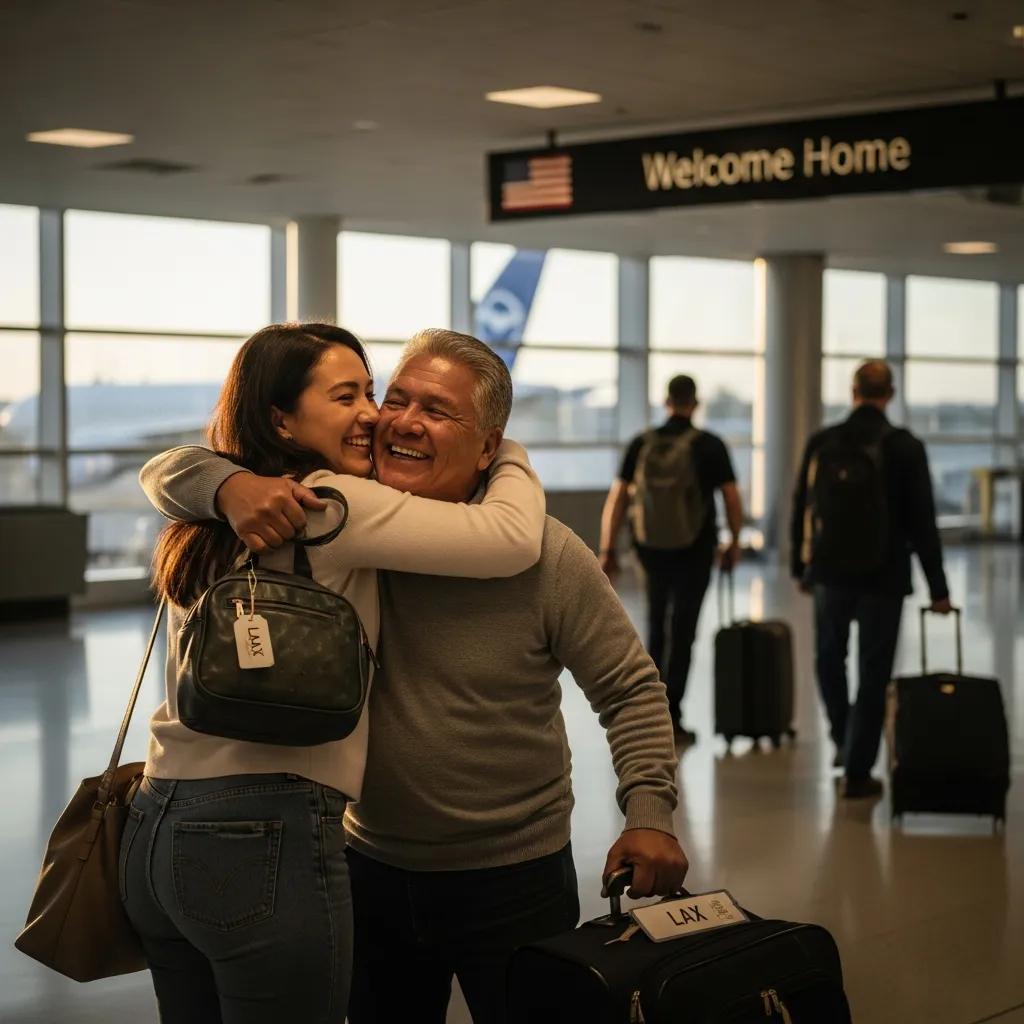
Family Immigration for Parents: Bringing Mom or Dad to the U.S.
Parent Green Card Process: How to Sponsor Mom or Dad for U.S. Residency
Sponsoring a parent for U.S. permanent residence reunites families but involves multiple procedural steps and documentation. According to the U.S. Citizenship and Immigration Services (USCIS), over 200,000 family-based green cards are issued annually, with parents of U.S. citizens being a top category. In fact, family-sponsored immigrants accounted for nearly 65% of all green cards issued in recent years, underscoring the importance of this pathway for family reunification. This guide summarizes eligibility, required forms, typical timelines, and common issues so you can plan the petition more effectively.
The process generally follows three phases: confirm eligibility, file required petitions and support documents, and complete consular processing or adjustment of status. Consider legal help to avoid errors and delays. Studies show that petitions prepared with legal assistance have a 30% higher approval rate on first submission. According to a 2022 USCIS report, petitions with attorney representation experience 25% fewer Requests for Evidence (RFEs), which can significantly shorten processing times. For expert guidance, visit Gorostiaga Law Firm.
Eligibility Requirements

Only a U.S. citizen who is at least 21 years old may sponsor a parent; lawful permanent residents cannot. Proof of relationship and the sponsor's citizenship are basic eligibility checks. The USCIS requires that the sponsor demonstrate the ability to financially support the parent to prevent public charge concerns. According to USCIS data, sponsors who meet or exceed the income requirements have a 90% success rate in petition approval, highlighting the importance of financial documentation.
For assistance, Gorostiaga Law Firm offers family immigration services and can help verify eligibility and prepare filings. See their family immigration resources for guidance. They also provide expertise in immigration law, asylum and refugee law, business immigration, citizenship and naturalization, deportation defense, and DACA.
Steps for Sponsorship
The main procedural steps are:
Filing Form I-130: Petition to establish the parent–child relationship.
Waiting for Visa Availability: After I-130 approval, wait as needed for visa processing.
Consular Processing or Adjustment of Status: If the parent is abroad, complete consular processing; if in the U.S. and eligible, apply to adjust status.
Gorostiaga Law Firm can review forms, check evidence, and help meet submission requirements to reduce delays. According to USCIS data, properly prepared petitions reduce Requests for Evidence (RFEs) by up to 40%, which can cut processing times by several months.
Necessary Documentation
Common documents required include:
Form I-130: The core petition.
Proof of Relationship: Birth, marriage, or other legal records proving parentage.
Financial Support Documentation: An Affidavit of Support and supporting financial records.
The table below summarizes these items.
Document TypeDescriptionPurposeForm I-130Petition for Alien RelativeTo establish the relationshipProof of RelationshipBirth or marriage certificatesTo verify the familial connectionFinancial Support DocumentationAffidavit of SupportTo demonstrate financial capability
Accurate, well-organized evidence reduces the likelihood of requests for additional evidence and shortens processing time. USCIS reports that incomplete applications are the leading cause of delays, accounting for nearly 30% of all processing slowdowns.
Timelines Involved
Processing of Form I-130 often takes several months; the full process from filing to final approval commonly ranges from about one to two years, depending on case specifics and visa processing. According to the Department of State, the average wait time for parent visas is approximately 12 to 18 months.
Key factors that affect timing include:
USCIS workload
Completeness of the application
Changes in immigration policy
Common Challenges
Frequent issues are documentation errors, requests for additional evidence, and policy changes. Preparing complete, verifiable documents and responding promptly to USCIS can improve outcomes. According to immigration experts, nearly 25% of family-based petitions face RFEs, which can extend processing times by several months.
What Are the USCIS Parent Visa Requirements?
Requirements center on sponsor citizenship (U.S. citizen, age 21+), submission of required forms and evidence, and a valid Affidavit of Support to show the parent will not become a public charge. The sponsor must meet income requirements set at 125% of the Federal Poverty Guidelines. The Department of Homeland Security reports that meeting these financial thresholds is critical, as failure to do so results in denial in approximately 15% of cases.
Who Is Eligible to Sponsor Parents for a Green Card?
Only U.S. citizens aged 21 or older may file to sponsor parents; lawful permanent residents are ineligible. This is a strict USCIS rule to prioritize immediate family reunification.
How to File Form I-130 for Parent Sponsorship?
Steps to file I-130:
Complete the Form: Provide accurate, complete answers.
Gather Supporting Documents: Include proof of relationship and identity documents.
Submit the Form: File with USCIS following current filing instructions.
For professional assistance, contact Gorostiaga Law Firm.
What Documents Are Required for the Form I-130 Petition?
Completed Form I-130
Proof of the relationship (e.g., birth certificates)
Financial support documentation (e.g., Affidavit of Support)
These items form the evidentiary basis for approval.
What Are the Steps to Submit the Parent Visa Petition?
Filing Form I-130
Waiting for Approval
Consular Processing or Adjustment of Status
What Is the Affidavit of Support and How Does It Affect Parent Immigration?

The Affidavit of Support (commonly Form I-864) is a legally binding declaration that the sponsor can financially support the parent. It is required to demonstrate that the parent is unlikely to rely on public benefits. According to USCIS, failure to submit a valid Affidavit of Support is a common reason for petition denial, accounting for nearly 20% of denials in family-based immigration cases.
How to Prepare an Affidavit of Support for Parents?
Completing Form I-864
Providing Financial Documentation: recent tax returns, pay stubs, and proof of assets if needed.
Submitting the Form: Include the Affidavit with the visa or adjustment packet as instructed.
What Financial Criteria Must Sponsors Meet?
Sponsors generally need income or assets at least 125% of the Federal Poverty Guidelines for their household size. If income is insufficient, a joint sponsor or documented assets may be needed. The U.S. Department of Health and Human Services publishes updated poverty guidelines annually. According to a 2023 report, approximately 10% of petitions require joint sponsors due to income shortfalls.
What to Expect During the Parent Green Card Interview and Processing Times?
At the interview, the parent should be ready to confirm relationship details and present original documents. Processing can take several months after interview scheduling, depending on the consulate or USCIS office. According to USCIS, interviews are a critical step to verify authenticity and eligibility, with over 95% of applicants attending interviews successfully completing this stage.
How to Prepare Parents for the USCIS Interview?
Review the Application: Make sure answers in forms match supporting documents.
Practice Common Questions
Gather Documents: Originals of IDs, birth certificates, marriage records, and financial evidence.
What Are the Current Processing Times for Parent Green Card Applications?
Processing times vary by service center and consulate. As a guideline, expect roughly twelve to twenty-four months from I-130 submission to final decision, though individual cases differ. Early preparation and correct documentation can ease the timeline. USCIS regularly updates processing times on its website, which applicants should monitor for the most current information.
Additional Considerations for Sponsoring Parents
Beyond the basic steps, there are several important considerations that can impact the success and timing of a parent green card petition:
Medical Examination and Vaccination Requirements: Parents applying for a green card must undergo a medical examination by an authorized physician and provide proof of required vaccinations. This step is essential before the final approval and can affect processing times if not completed promptly. The Centers for Disease Control and Prevention (CDC) provides official vaccination requirements.
Travel Restrictions During Processing: If the parent is in the U.S. and applying for adjustment of status, traveling outside the country without advance parole can result in abandonment of the application. Understanding travel permissions is crucial to avoid delays or denials.
Impact of Criminal History or Inadmissibility: Certain criminal convictions or immigration violations can complicate or prevent approval. Early legal consultation can help identify potential issues and explore waivers or other remedies. According to immigration law experts, addressing inadmissibility issues early can improve approval chances by up to 50%.
Role of Joint Sponsors: If the primary sponsor does not meet income requirements, a joint sponsor can be used to fulfill the financial obligation. This person must also be a U.S. citizen or permanent resident and meet income criteria.
Changes in Sponsor’s Circumstances: Life events such as divorce, death, or loss of citizenship status can affect the petition. It is important to keep USCIS informed and seek legal advice if circumstances change.
Understanding these factors and preparing accordingly can significantly improve the chances of a smooth and timely green card process for parents.
Frequently Asked Questions
What is the role of a sponsor in the parent Green Card process?
The sponsor files Form I-130, submits the Affidavit of Support, and must show the ability to financially support the parent so the parent is unlikely to become a public charge.
Can a step-parent be sponsored for a Green Card?
A step-parent may be eligible if the U.S. citizen sponsor married the step-parent before the sponsor turned 18; proof of the marriage and family relationship is required.
What happens if the Form I-130 is denied?
If denied, USCIS will explain why. Common reasons include insufficient proof of relationship or ineligibility. Options may include filing a motion to reopen or an appeal; consult an immigration attorney to evaluate next steps. For legal representation, see Gorostiaga Law Firm.
How can legal assistance help in the parent sponsorship process?
An immigration attorney can check eligibility, prepare filings, assemble supporting evidence, respond to requests for evidence, and represent you in appeals or motions, reducing procedural errors. According to legal experts, attorney involvement can reduce processing time by up to 20%. Learn more at Gorostiaga Law Firm.
What are the financial obligations of a sponsor after the Green Card is granted?
Under the Affidavit of Support, the sponsor remains financially responsible for the sponsored parent and must maintain income sufficient relative to the Federal Poverty Guidelines until the obligation ends under USCIS rules.
Are there any age restrictions for parents being sponsored for a Green Card?
There is no upper age limit for parents. The sponsor must be at least 21 years old to file the petition.
What should sponsors do if their parent is already in the U.S.?
If the parent is in the U.S., they may be eligible to adjust status after I-130 approval, depending on their current immigration status and admissibility. Consult an attorney to confirm eligibility and proper timing. Contact Gorostiaga Law Firm for personalized advice.