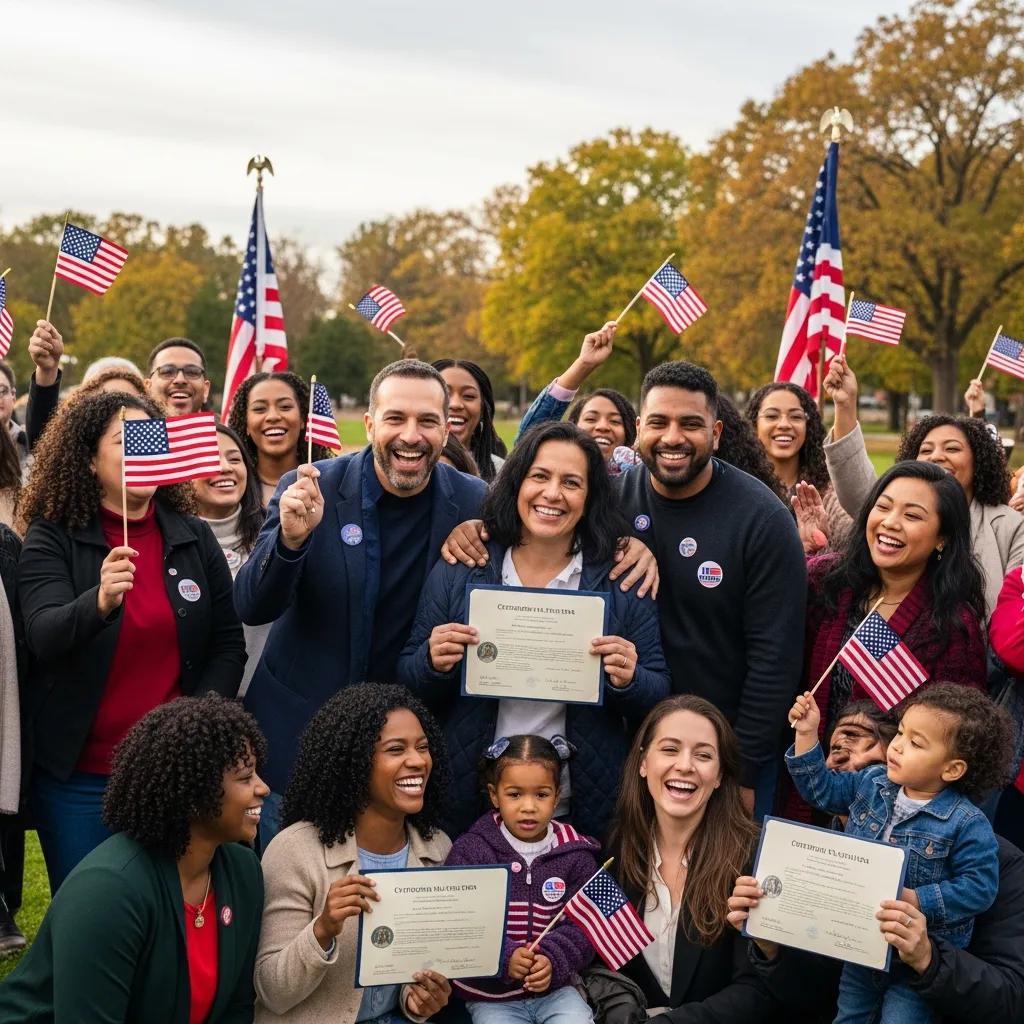
Navigate Naturalization with a Lawyer in Elizabeth, NJ
From Green Card to Citizenship: Understanding Naturalization Requirements and Application Process in New Jersey
Moving from lawful permanent resident status to U.S. citizenship requires meeting specific legal criteria and following a defined process. This article summarizes eligibility rules, necessary documents, the application stages, common obstacles, and how local immigration counsel can reduce risk and improve outcomes. For comprehensive legal support, visit Gorostiaga Law Firm, a trusted resource for New Jersey immigration matters.
Eligibility Criteria
USCIS requires applicants to be 18 or older, maintain lawful permanent resident (LPR) status for generally five years (three years if married to a U.S. citizen), demonstrate good moral character, and meet English and civics standards.
Applicants must also have continuous residence and physical presence in the United States, avoid prolonged absences that could disrupt eligibility, and be willing to take the Oath of Allegiance, which includes renouncing previous allegiances and supporting the U.S. Constitution.
For professional guidance, Gorostiaga Law Firm assists New Jersey applicants with eligibility assessments and case-specific advice, including family immigration and asylum matters.
Necessary Documentation

File Form N-400 with supporting evidence such as your permanent resident card (Green Card), two passport-style photos, proof of continuous residence and physical presence, tax records, and any documents tied to marital status or past legal matters.
Additional documents may include evidence of selective service registration for males, court and police records if applicable, and proof of any legal name changes.
Preparing complete, accurate documentation before submission reduces administrative requests and delays. For assistance with document preparation and submission, Gorostiaga Law Firm’s citizenship and naturalization services provide expert support.
Steps Involved in the Application Process
The process typically follows predictable stages that applicants should expect and prepare for.
Complete Form N-400: Accurately complete the application and include required evidence.
Biometric Appointment: USCIS schedules fingerprints and photos for background checks.
Interview and Test: Attend an interview where an officer evaluates English and civics knowledge.
Oath of Allegiance: If approved, attend the oath ceremony to receive citizenship.
Gorostiaga Law Firm can assist applicants at each stage to ensure forms are complete and clients are prepared for interviews and testing.
Knowing the required documents and procedural milestones helps manage expectations and deadlines.
Naturalization Process Guide: Forms, Steps, and Tests
ABSTRACT: This guide outlines the naturalization process and its implications for Hispanic immigrants. It describes methods for integrating English-as-a-Second-Language (ESL) and civics content in multilevel classes, provides instructions for completing naturalization forms and legal steps, and offers strategies for succeeding in the Immigration and Naturalization Service (INS) oral interview and literacy test.
The Naturalization Process in New Mexico. A Guide for ESL Teachers and Advocates., 1991
What Documents Are Needed to Complete the Naturalization Application?
Commonly required items include Form N-400, your Green Card, two passport photos, tax return records for the relevant period, and marriage or family documents where applicable.
Form N-400: The application form.
Proof of Residency: Green Card.
Photographs: Two passport-style photos.
Tax Returns: Records of filings for the required period.
Marriage Certificates: If relevant to your claim.
Organize these materials before filing to reduce requests for additional evidence and avoid processing interruptions. For related family immigration concerns, see family immigration services.
What Are the Application Submission and USCIS Processing Timelines?
Timelines depend on jurisdiction and caseload. Expect multiple stages: application review, biometrics, and an interview, each of which can add weeks or months.
Application Processing: Often 8–14 months from filing.
Biometric Appointment: Usually scheduled within a few weeks.
Interview Scheduling: Scheduling varies and may take several months.
Track local processing times and keep documentation current to meet residency and evidence requirements.
Challenges in the Naturalization Process
Applicants commonly face incomplete documentation, complex eligibility questions, and interview stress. Prior criminal convictions or unresolved immigration issues can trigger additional review and affect eligibility.
Other challenges include language barriers, understanding the civics test content, and managing the emotional aspects of the process. Applicants may also encounter delays due to changes in USCIS policies or backlogs.
Early preparation and legal representation can identify and address issues before they delay or jeopardize the application. For deportation defense or DACA-related concerns, Gorostiaga Law Firm offers specialized assistance.
How Can Legal Assistance Improve Interview Success and Test Readiness?

An immigration attorney can improve interview readiness through targeted preparation and document review.
Mock Interviews: Practice common questions and interview format.
Document Review: Verify completeness and consistency of evidence.
Legal Advice: Identify issues that may affect eligibility and suggest remedies.
Language and Civics Coaching: Provide tailored support to improve test performance.
Gorostiaga Law Firm offers structured preparation to help applicants present clear and consistent cases to USCIS adjudicators.
Practitioner literature supports interview-specific preparation in addition to civics and language study for better outcomes.
Preparing for the US Naturalization Interview
For many years, ESL and U.S. citizenship preparation instructors have sought better methods to prepare immigrants for the naturalization interview. Most citizenship texts emphasise U.S. history and government but provide limited guidance about the interview itself, an observation supported by Nixon & Keenan (1997). Consequently, teachers noted that students who had memorised factual content sometimes failed their interviews.
Collecting target discourse: The case of the US naturalization interview, 2005
How Can a New Jersey Immigration Lawyer Support Your Path from Green Card to Citizenship?
A New Jersey immigration lawyer provides tailored counsel through the naturalization process, including eligibility review, document preparation, and interview strategy.
Personalized Guidance: Advice matched to your situation.
Application Assistance: Help completing and submitting Form N-400.
Interview Preparation: Strategies and practice to improve confidence.
Post-Approval Support: Guidance on rights and responsibilities as a new citizen.
Local experience can improve planning and reduce uncertainty in handling case-specific issues. For business immigration or asylum and refugee law matters, Gorostiaga Law Firm and related services provide expert counsel.
What Services Does Gorostiaga Law Firm Provide for Naturalization Applicants?
Gorostiaga Law Firm focuses on immigration matters and supports applicants through each stage.
Consultation Services: Initial eligibility assessments.
Application Support: Assistance with forms and evidence.
Interview Preparation: Mock interviews and test preparation.
Ongoing Legal Advice: Help with any post-naturalization questions or issues.
The firm emphasizes document accuracy and interview readiness to increase the chance of a favorable adjudication. Learn more about the team at Gorostiaga Law Firm About Us or Virginia Gorostiaga, the lead attorney.
Why Choose Local Legal Expertise for Navigating NJ-Specific Naturalization Nuances?
New Jersey applicants may face local procedural variations and office practices that affect scheduling and case handling. Local counsel can identify these nuances and advise accordingly.
By choosing a local immigration attorney, applicants gain advantages such as:
Familiarity with Local Procedures: Knowledge of how local offices operate.
Access to Resources: Established communication channels that can facilitate case handling.
Tailored Advice: Guidance specific to the applicant's circumstances.
Community Connections: Understanding of local immigrant communities and support networks.
Careful preparation, accurate documentation, and competent representation increase the likelihood of successful naturalization.
Frequently Asked Questions
What is the cost associated with the naturalization application process?
The current filing fee for Form N-400 is $725, which covers application and biometric services. Applicants may also pay for supporting documents. Fee waivers or reductions may be available for qualifying applicants; check the USCIS fee schedule or consult Gorostiaga Law Firm for guidance.
How long does the naturalization process take from start to finish?
Processing typically ranges from 8 to 14 months, though timing varies by jurisdiction. Biometric appointments usually occur within weeks; interviews and final adjudication can add several months.
Can I apply for naturalization if I have a criminal record?
A criminal record does not automatically bar naturalization but can affect eligibility. USCIS assesses conduct case by case; consult an attorney to evaluate risks and possible remedies.
What happens if my naturalization application is denied?
If denied, USCIS provides written reasons. You may appeal or reapply after correcting deficiencies; an attorney can advise on the best course of action.
Are there any language requirements for naturalization applicants?
Most applicants must demonstrate basic English (read, write, speak) and pass a civics test, with limited exemptions for age or disability. Use recognized study materials and targeted interview practice.
What role does an immigration attorney play in the naturalization process?
An attorney provides case-specific legal advice, helps complete Form N-400 accurately, reviews supporting documents, and prepares clients for the interview and civics test, reducing errors and delays.
Can I expedite my naturalization application?
Expedited processing is rare and granted only in exceptional circumstances (e.g., urgent military or humanitarian needs). An attorney can advise whether an expedition request is appropriate and assist with documentation.
What are the benefits of becoming a U.S. citizen after naturalization?
Naturalized citizens gain the right to vote in federal, state, and local elections, access to federal jobs, eligibility for certain scholarships and grants, and the ability to sponsor relatives for immigration. Citizenship also provides protection from deportation and the ability to apply for a U.S. passport.
Can naturalized citizens lose their citizenship?
Citizenship obtained through naturalization can be revoked in rare cases involving fraud, misrepresentation, or serious criminal activity. Maintaining good moral character and compliance with laws is essential.