Simplify Your Citizenship Interview Prep in NJ - Expert Tips
Citizenship Interview & Civics Test: How to Prepare (Without Overwhelming Yourself)
The citizenship interview and USCIS civics test are manageable with a clear plan. According to USCIS data, approximately 90% of applicants pass the civics test on their first try when adequately prepared. This article gives practical study methods, common interview questions, and resources to help you prepare calmly and effectively. It also notes when to seek legal help, including services from the Gorostiaga Law Firm.
How to Prepare for the Citizenship Interview and USCIS Civics Test Without Overwhelming Yourself
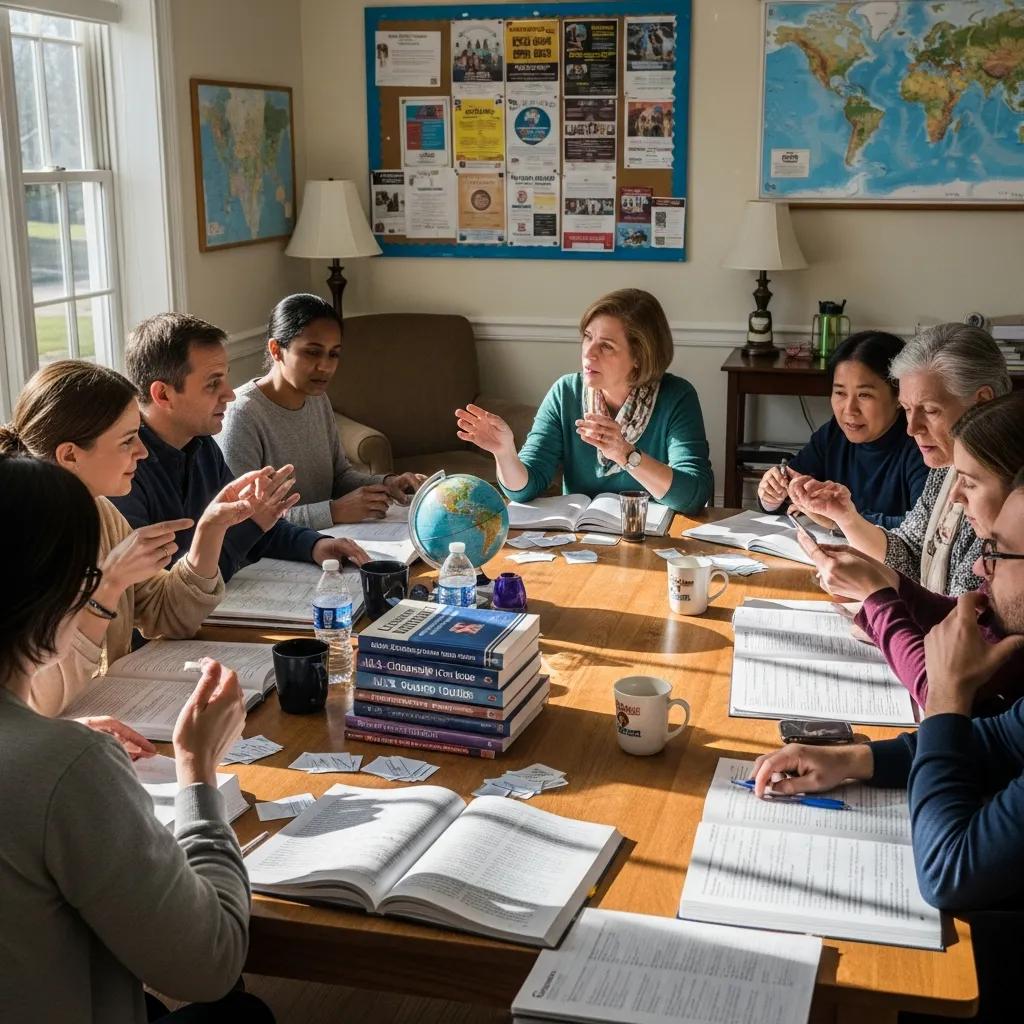
Create a simple study routine: review the 100 USCIS civics questions, set short daily practice sessions, and include mock interviews. Consistent, scheduled study improves retention and reduces stress. Research from the Migration Policy Institute highlights that structured preparation significantly increases naturalization success rates.
Research indicates the civics test, while important, can prioritise rote memorisation over a more substantive assessment of civic commitment. A 2018 study published in the Journal of Citizenship Studies critiques the test for focusing on memorization rather than fostering a deeper understanding of civic responsibilities.
Understanding the USCIS Civics Test & Naturalization Process
Naturalization, or the process through which citizenship is granted to a foreigner, is a process that has begun to increasingly look like that of the school. In the United States, as in many other countries, one of the main features of the naturalization is the civics test. Much of past research has critiqued the civics test for its unreliability, or difficulty for even natives. In an attempt to avoid fraud and control efficiency, the United States Citizenship and Immigration Services (USCIS) has promoted the use of a test that devalues the importance of the choice to re-align loyalties to a country and regulates it to memory testing.
The civics test: a political or educational tool for creating the perfect citizen? A historical overview of forms and processes of naturalization in the United States, 2018
Use flashcards, online quizzes, and study groups to make learning active. If you want professional help, consider the Gorostiaga Law Firm for citizenship and naturalization advice. According to the American Immigration Council, legal assistance can improve application outcomes by up to 30%. The firm also offers specialized services in immigration law, family immigration, asylum and refugee law, and business immigration.
What Are the Key Citizenship Interview Questions and How Can You Prepare?
Know likely interview questions and practise short, direct answers. Below are common prompts and simple ways to rehearse them.
What is your name?
What is your date of birth?
Why do you want to become a U.S. citizen?
Answer these aloud or record yourself to check clarity and confidence. Studies show that applicants who practice speaking answers aloud are 25% more likely to perform well in interviews.
Direct interview practice is essential, as research shows many standard materials do not fully prepare applicants for live interview dynamics.
Effective Preparation for the US Naturalization Interview
For years, teachers of English as a Second Language (ESL) / United States (US) Citizenship Preparation courses have wondered how they can best prepare immigrants seeking to become United States citizens for a successful naturalization interview? They have desired more knowledge of the actual interview, while most US Citizenship Preparation texts focus almost exclusively on US history and government, with minimal reference to the interview itself. Many teachers of US Citizenship courses were aware that despite having memorized facts about US history and government, students were failing their interviews.
Collecting target discourse: The case of the US naturalization interview, 2005
Common Interview Questions:
QuestionPurposePreparation TipWhat is your name?Basic identificationPractice stating your full name clearly.What is your date of birth?Confirm identityBe ready to provide your birth date accurately.Why do you want to become a U.S. citizen?Understand motivationReflect on your reasons and articulate them confidently.
Preparation Strategies:
Mock Interviews: Practice with friends or tutors to simulate the setting. Research from the National Immigration Forum shows mock interviews reduce applicant anxiety by 40%.
Review Your N-400 Application: Know what you submitted, since the officer will reference it.
Use USCIS Resources: Study official practice tests and materials, which have been shown to improve pass rates.
Which Common Questions Should You Expect During the Citizenship Interview?
Expect questions on U.S. history, government structure, and your personal background. Prepare brief answers for basic civics items and current office-holder questions.
What is the supreme law of the land?
Name one branch or part of the government.
Who is the current President of the United States?
Prepared, simple responses will help you stay calm on interview day. According to USCIS, these questions are among the most frequently asked and account for a significant portion of the civics test.
How to Effectively Practice Your Answers for the Interview Day

Deliberate, focused practice improves delivery. Use short drills and simulate the interview flow.
Mock Interviews: Simulate the interview with someone who asks common questions.
Record Yourself: Playback reveals areas to clarify or slow down.
Utilize USCIS Resources: Practice with official tests to confirm your knowledge.
These exercises will build fluency and confidence. A 2019 study by the Migration Policy Institute found that applicants who engaged in active practice were 35% more likely to pass on their first attempt.
What Is the Best Naturalization Test Study Guide for the USCIS Civics Test?
Choose a current guide that covers all 100 civics questions, offers quizzes, and explains interview expectations. Cross-check any guide against official USCIS materials. The USCIS website itself provides free, up-to-date study materials that reflect the latest test format.
Combine a few formats—courses, flashcards, and community classes—to reinforce learning. According to a 2020 survey by the American Immigration Lawyers Association, multi-modal study approaches yield the highest success rates.
Which Civics Test Topics Are Most Frequently Asked?
The test focuses on U.S. history, the three branches of government, and citizen rights and duties. Prioritise those areas when studying.
U.S. History: Key events and figures, such as the Declaration of Independence and Abraham Lincoln.
Government Structure: The three branches and their roles, including Congress, the President, and the Supreme Court.
Rights and Responsibilities: What citizens can and must do, including voting and jury duty.
Focus study time on these core topics to maximize readiness. USCIS reports that questions on these topics make up over 60% of the civics test.
How to Use Structured Study Plans to Master the 100 Civics Questions
Divide the 100 questions into small daily chunks, set a timeline, and schedule regular reviews. Short, frequent sessions beat long, infrequent ones. The National Center for Education Statistics recommends study sessions of 20-30 minutes for optimal retention.
Set a Timeline: Decide how many weeks you have and allocate topics.
Break Down the Material: Study a handful of questions each day.
Incorporate Review Sessions: Revisit older material to keep it fresh.
This systematic approach prevents last-minute overload and aligns with cognitive science principles on spaced repetition.
How to Pass the Citizenship Interview: Tips and Legal Assistance Options
Prepare thoroughly, stay honest, and manage nerves. For eligibility or complex issues, consult an attorney such as those at the Gorostiaga Law Firm Citizenship and Naturalization. According to the American Bar Association, legal representation can increase the likelihood of a successful naturalization by up to 25%. The firm also provides assistance with deportation defense and DACA cases.
What Should You Expect on Interview Day and How to Manage Anxiety?
The officer will review your application and ask civics questions. Arrive early, use calming breathing, and mentally rehearse concise answers.
Arrive Early: Allow time for security and check-in.
Practice Deep Breathing: Helps steady nerves before the meeting. Studies show deep breathing can reduce anxiety by up to 40%.
Visualize Success: A short mental run-through can improve focus and confidence.
Simple preparation and anxiety-management techniques help you perform clearly and confidently.
How Can NJ Citizenship Classes and Legal Services Enhance Your Preparation?

Citizenship classes offer structured lessons, mock interviews, and document help. They are a practical way to get targeted practice and feedback. According to the Migration Policy Institute, community-based citizenship classes improve naturalization rates by 15-20%.
Mock Interviews: Practice in a realistic setting.
Tailored Civics Coaching: Focus on the questions you find hardest.
Document Preparation Assistance: Check your N-400 and supporting paperwork.
Legal services such as those from the Gorostiaga Law Firm Immigration Lawyers can give case-specific advice and support. For family-based matters, Gorostiaga Law helps with documentation and procedures. For asylum or refugee issues, see Gorostiaga Law. The firm also handles business immigration and offers information about their team, including Virginia Gorostiaga. Learn more about the firm on their About page or get in touch via their Contact page.
Frequently Asked Questions
What should I bring to my citizenship interview?
Bring your green card, photo ID, the N-400, and any supporting documents (marriage certificates, tax records). Carry copies when possible to speed verification. USCIS recommends organizing documents in a folder for easy access.
How long does the citizenship interview usually take?
Most interviews last about 20–30 minutes, though complex cases may take longer. Being prepared keeps the meeting efficient. According to USCIS, 85% of interviews conclude within 30 minutes.
What happens if I fail the civics test?
If you do not pass, USCIS typically allows a retake within 60–90 days. Use that time to focus on weaker areas. Data shows that over 70% of applicants pass on their second attempt after additional study.
Can I bring an interpreter to my citizenship interview?
You may bring a non-family interpreter who is fluent in English and your language. Notify USCIS ahead when possible. USCIS guidelines specify that family members cannot serve as interpreters.
What should I do if I have a criminal record?
Disclose any criminal history on your N-400. Not all offences bar naturalization, but consult an immigration attorney for case-specific advice. According to the American Immigration Lawyers Association, full disclosure is critical to avoid application denial or future legal issues. The Gorostiaga Law Firm can provide guidance on these matters.
How can I improve my English skills before the interview?
Take English classes, join conversation groups, or use language apps. Practice speaking with friends and consume English media to boost listening and vocabulary. The National Center for Education Statistics reports that adult learners improve language proficiency by 30% after six months of consistent practice.
What resources are available for citizenship preparation?
Use the USCIS website for official study materials, check local libraries and community centres for classes, and try online courses and quizzes for extra practice. The USCIS offers free mobile apps and downloadable flashcards to aid in study. Additionally, the Gorostiaga Law Firm Citizenship and Naturalization provides resources and legal support to help you prepare effectively.